Cherchies Blog

cooking tips

Cooking Tip: How To Create an Easy Cheese Plate

cooking tips, partiesSheri SpalloneComment
Cooking Tip! How To Create an Easy Cheese Plate

Cooking Tip! How To Create an Easy Cheese Plate

Entertaining should be easy, not difficult.  It's all about quality time with family and friends, not the time spent in the kitchen.  With the busy holiday season on our doorstep, time is of the essence, and a quick and easy go-to appetizer is a necessity. 

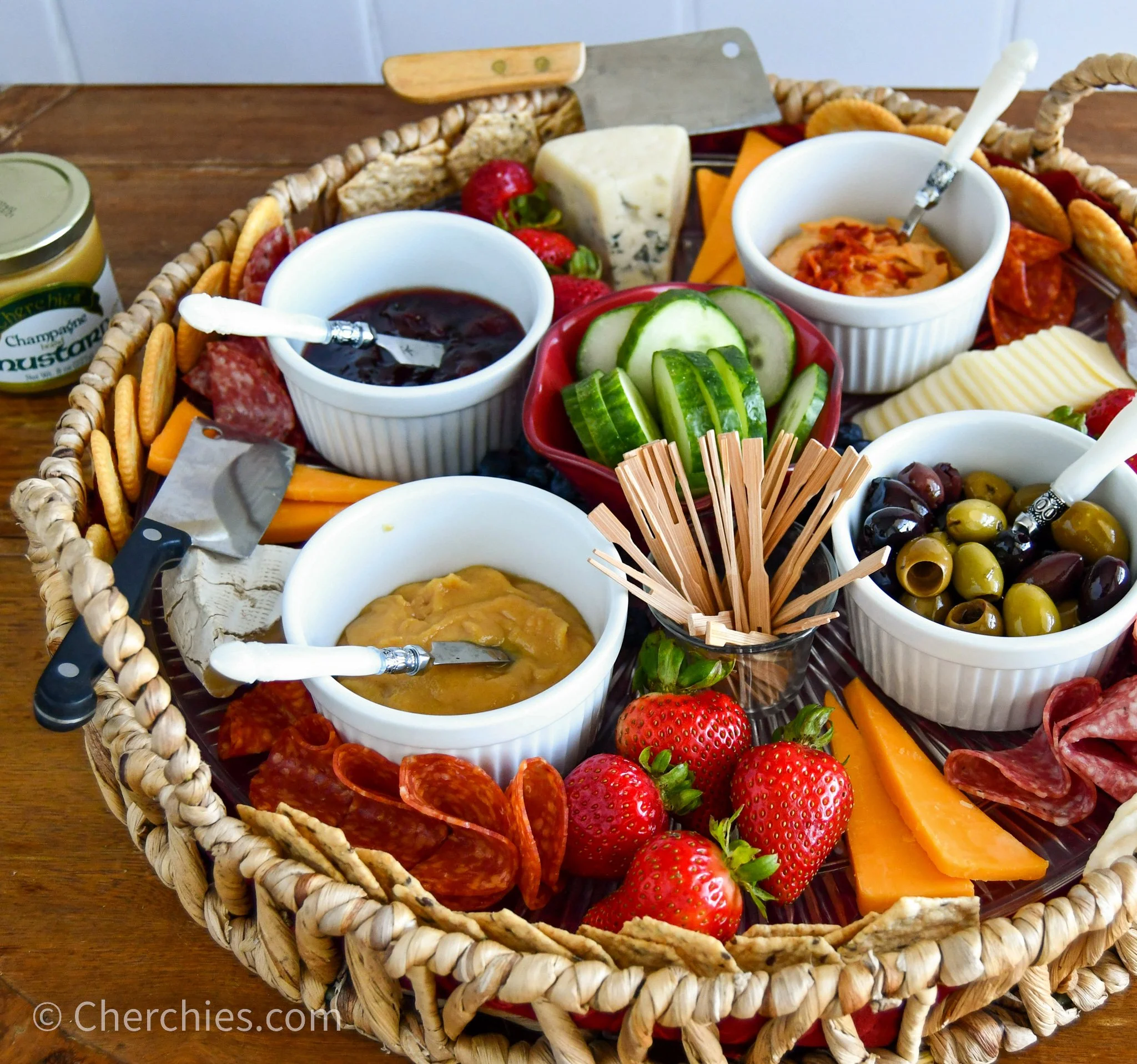
Our go-to appetizer is a charcuterie platter, (aka a cheese plate or antipasto platter).  It takes very little effort to create a fabulous charcuterie platter, but the presentation speaks volumes.

Cheese and fruit are a given for cheese platters, and when we are entertaining, we often open up jars of our products (Our award-winning mustards, Hot Pepper Jams, Butter Spreads, Preserves), and pair them with good quality cheeses.  Our guests love to create and share their own concoctions (You'll find out shortly how to create your own).  Plus, it's also a great conversation starter.

There really is no exact recipe for a cheese plate, as it lends to individual creativity, so below we've given our recommendations for the perfect cheese/antipasto platter:  Let's build it together!  Here are the tools needed for a fabulous cheese/antipasto display:

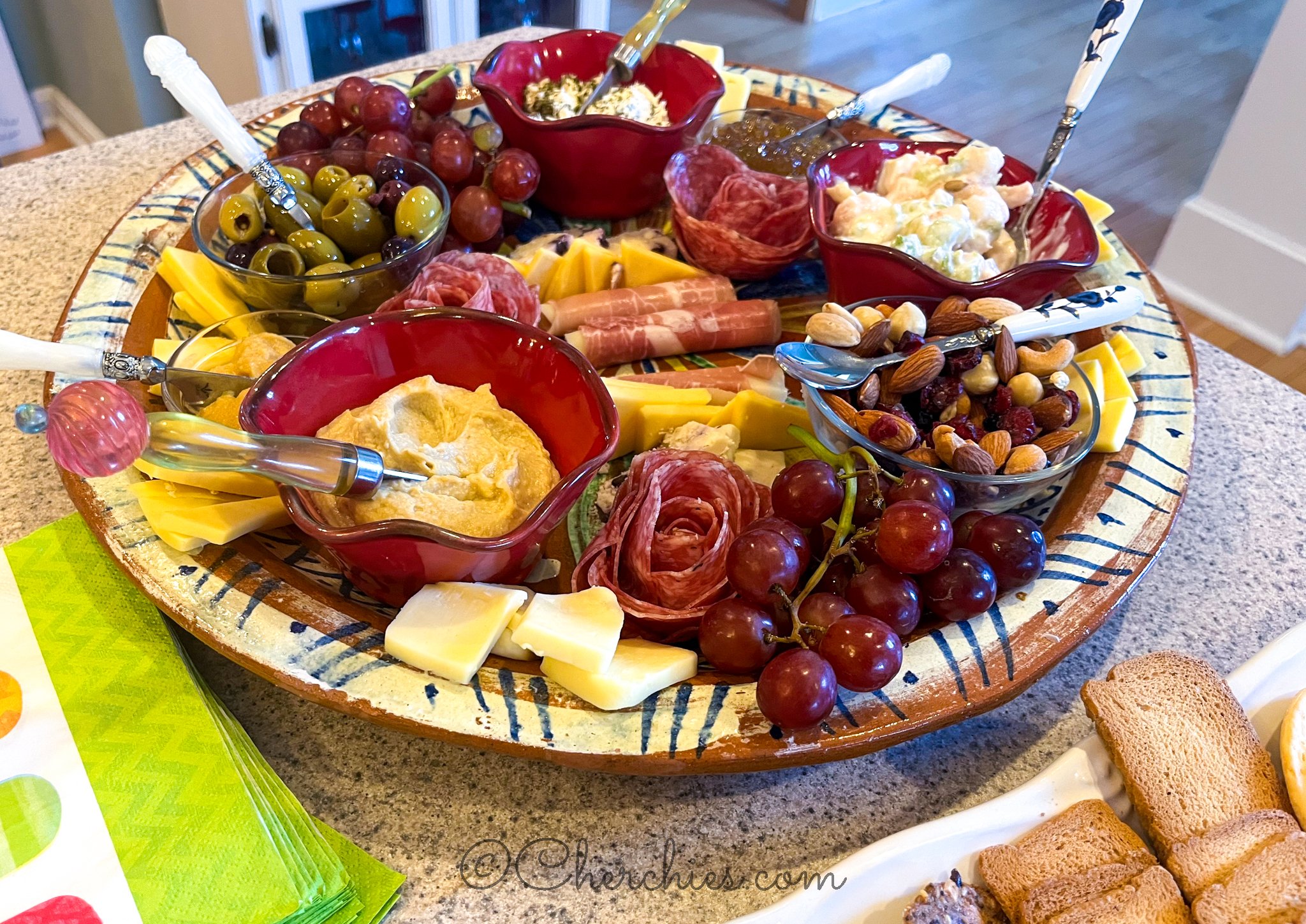
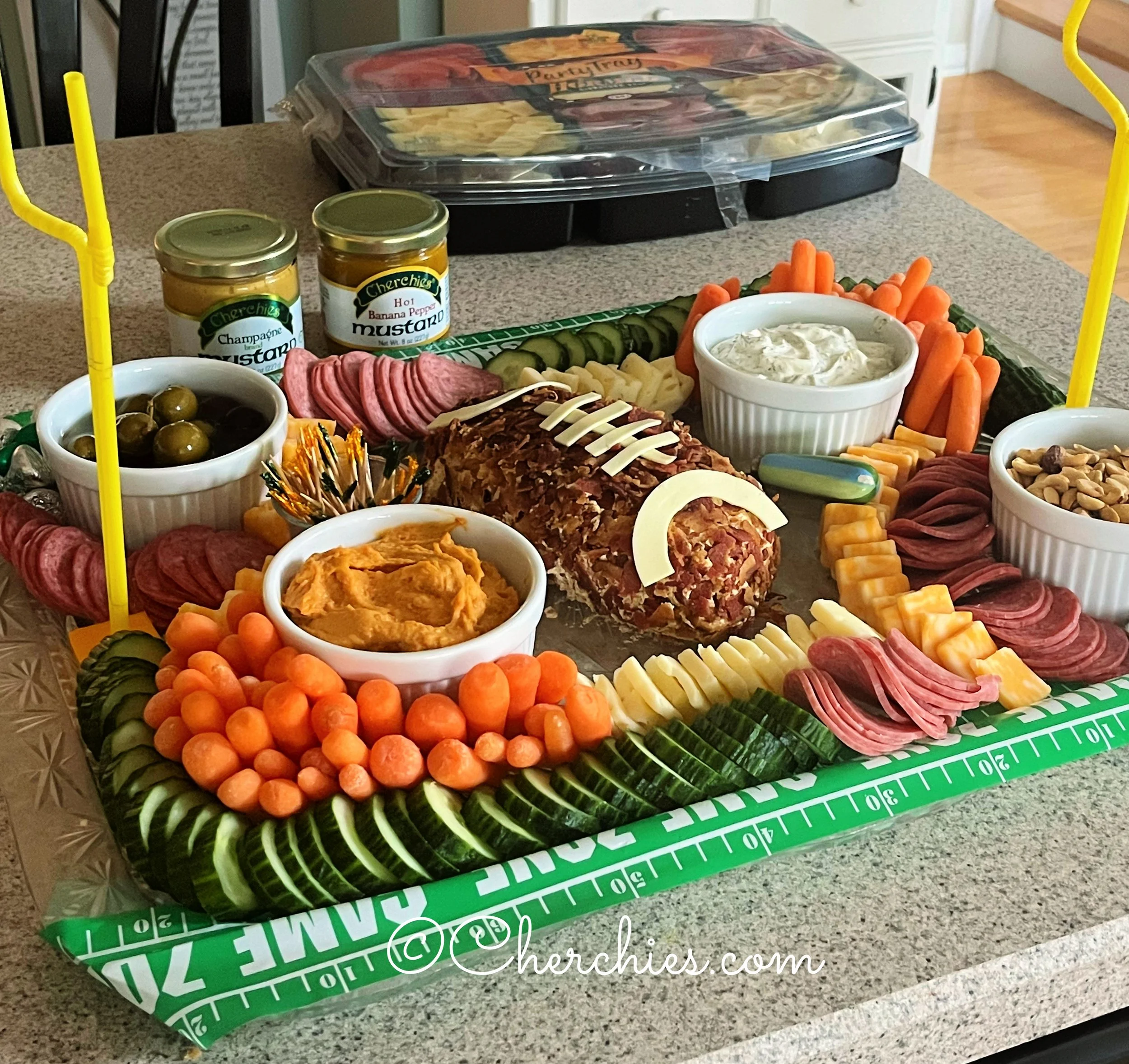
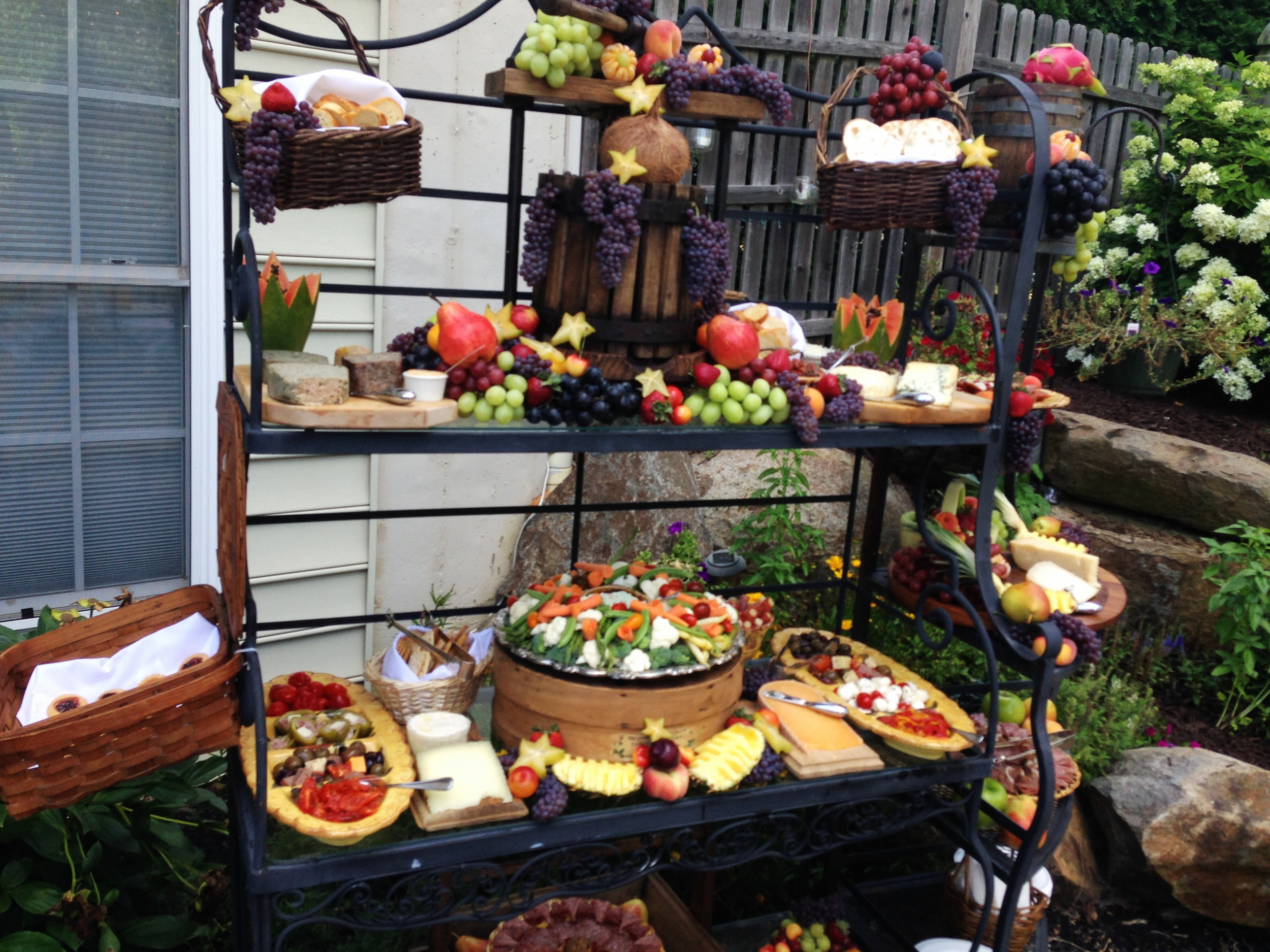
Vehicle (Thank you Martha Stewart)- A pretty cutting board, tray, or platter is the perfect "vehicle" for creating a cheese board.  If you have a large gathering, a piece of furniture works well to "stage" your appetizers.  Check out my in-laws 50th Anniversary party this summer (thank you Charlie from Yellow Springs Inn for your innovation and inspiration).  We re-created a smaller version later for friends on Labor Day. They loved it! 
IMG_8003 (1).JPG

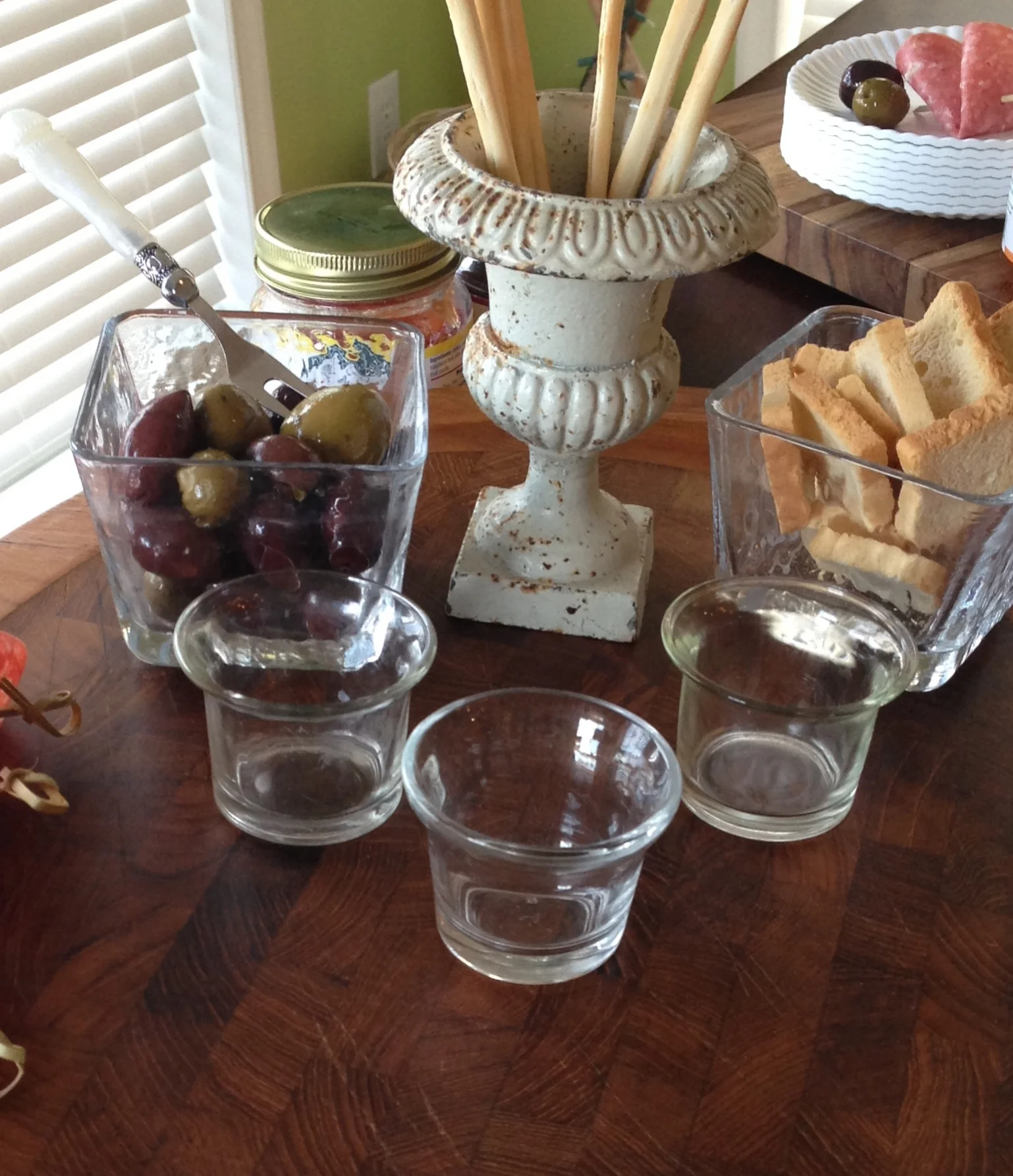
Pretty Containers

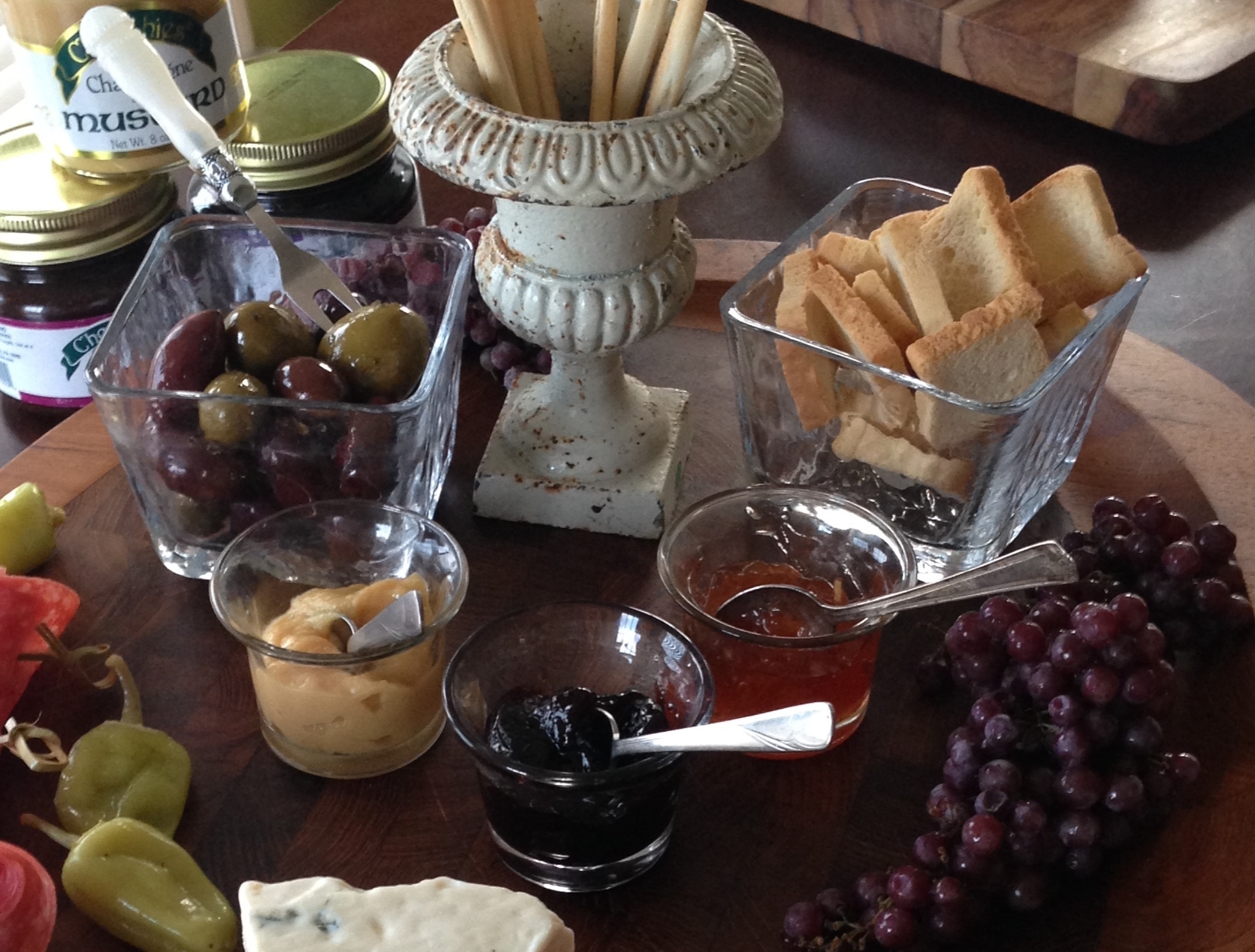
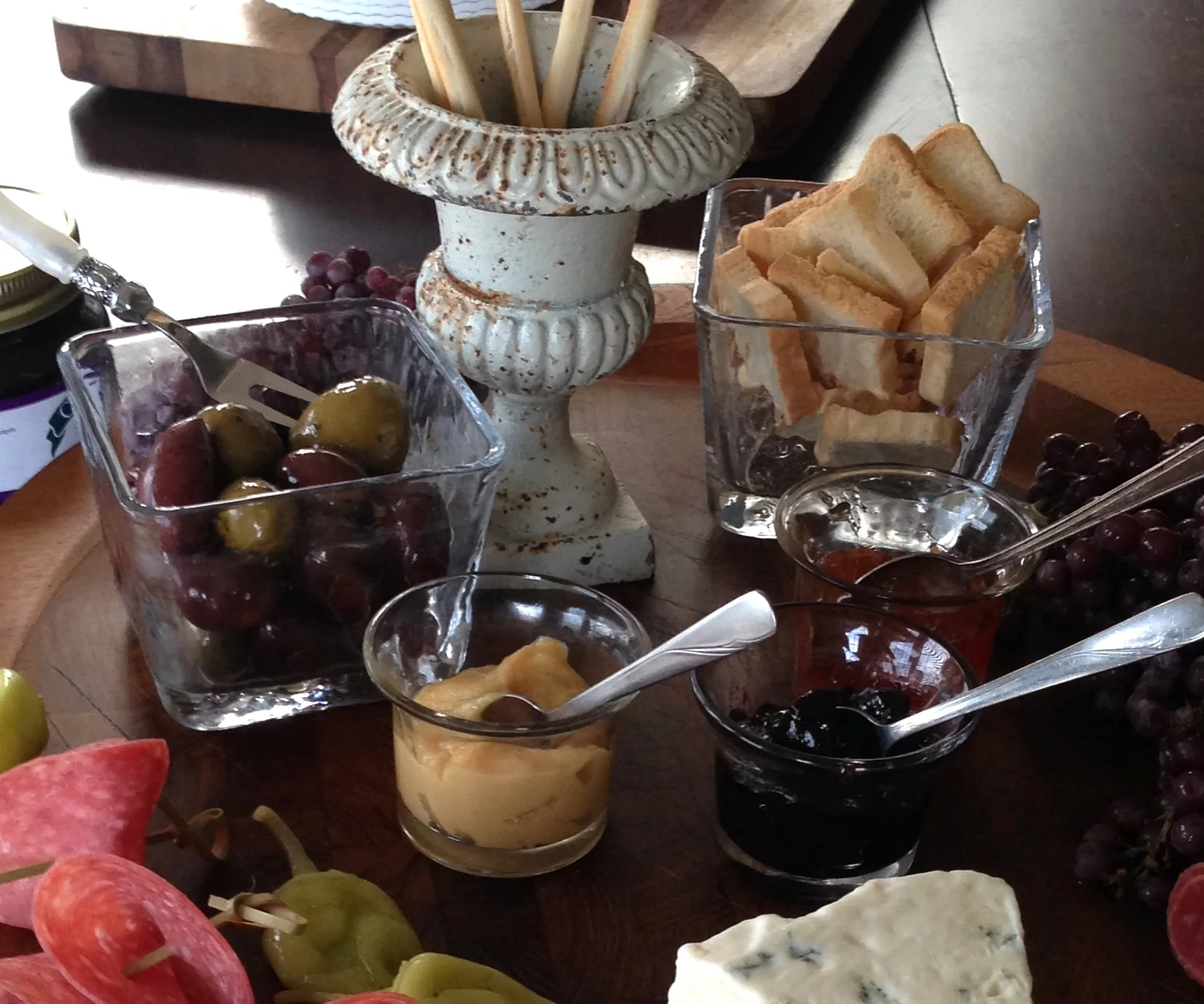
The world is your oyster when it comes to containers:)  Gather up your "pretties" (bowls, martini glasses, crystal, votive holders, tea cups, etc. ) for your display, anything that will hold the loose items such as olives, nuts, crackers, bread sticks, etc.

We used our "pretties" to hold olives, mini toasts, bread sticks, and of course CONDIMENTS!  We used one each of our Mustards, Hot Pepper Jams, Butter Spreads, and Preserves.  
Labeling

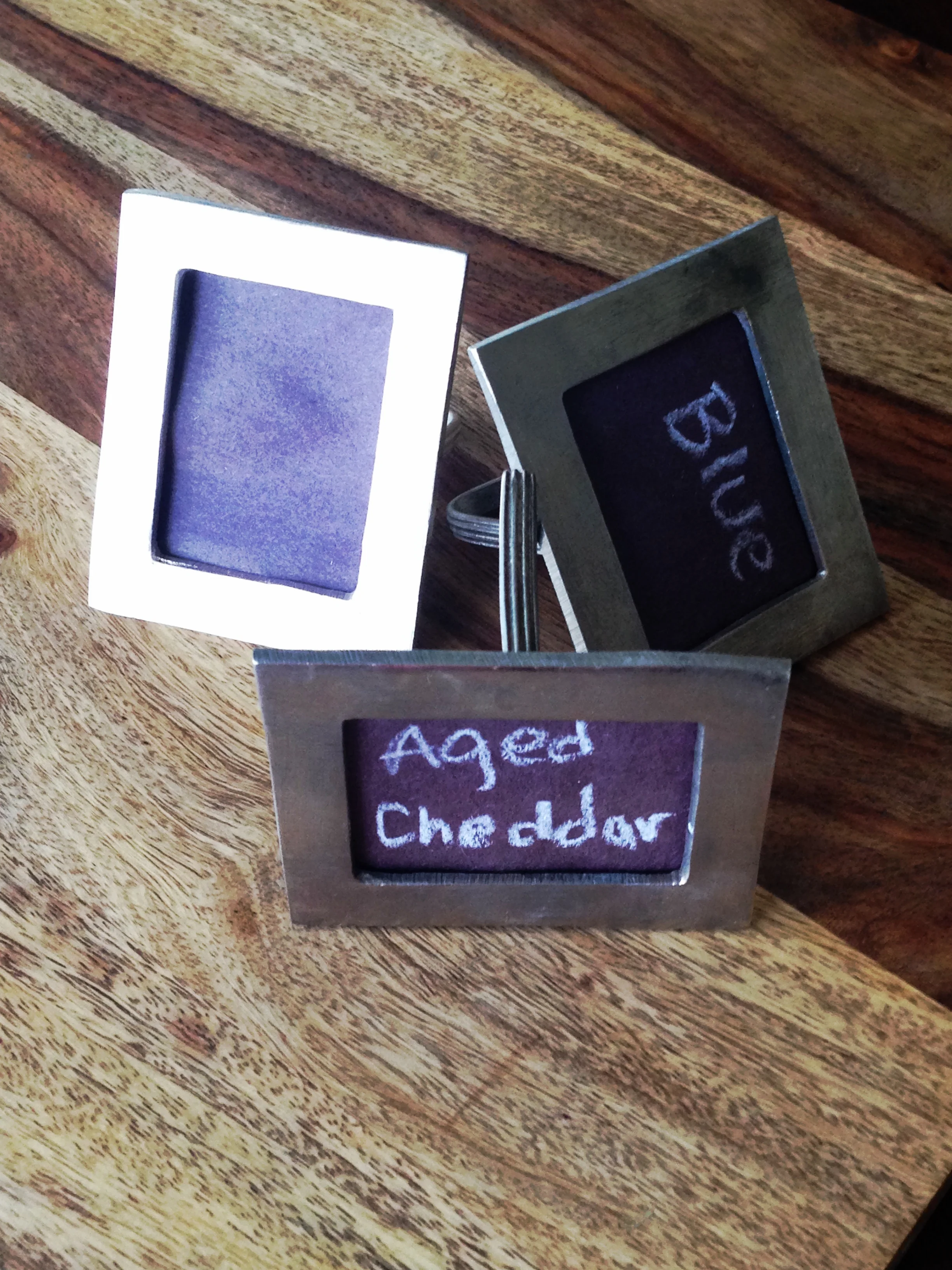
Chalkboard anything is all the rage for labeling, and the possibilities are endless.  Here, we used picture frame napkins rings (you could substitute mini picture frames) that we had lying around, and then added black construction paper to the frames to create "faux" chalkboards.
Cheese 

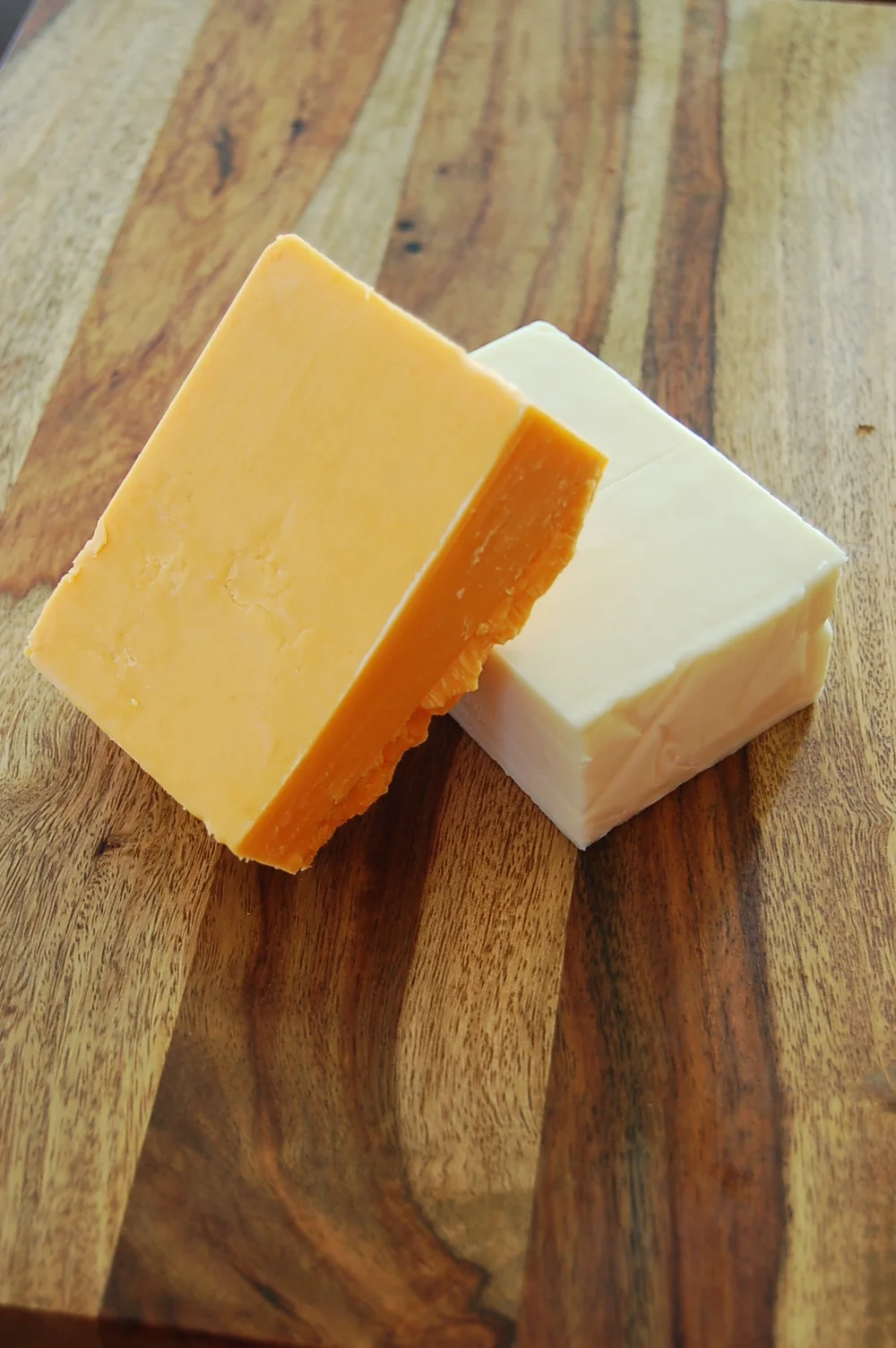
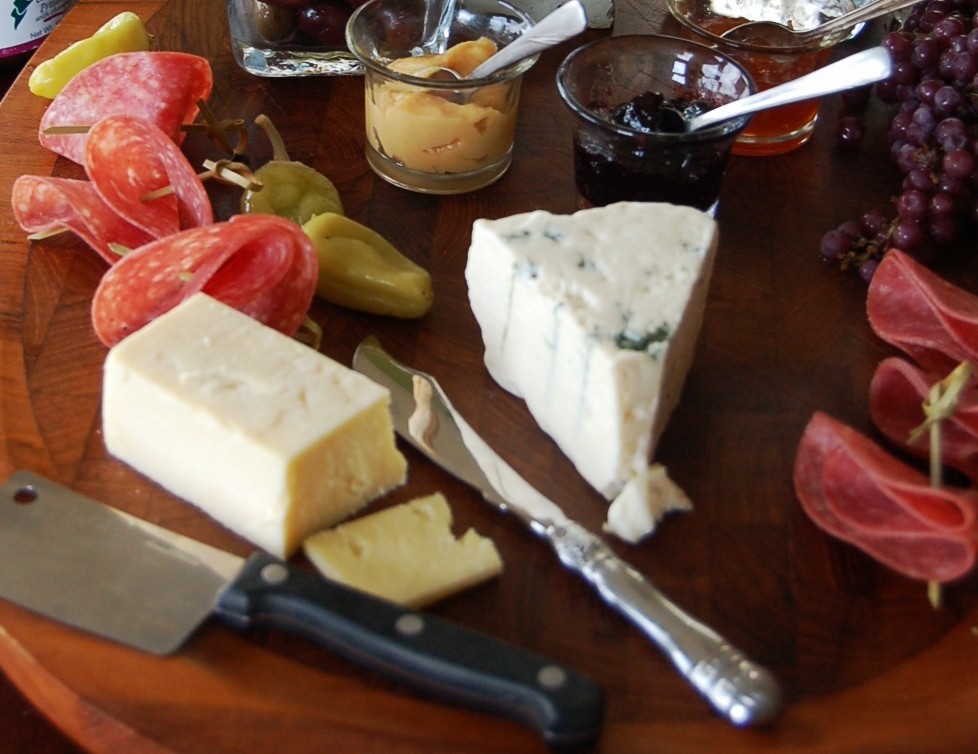
You had me at cheese!  Invest in some good quality cheeses, like aged cheddar, blue, brie, or whatever combinations you decide upon.  Depending on your gathering size (under 10 people), Martha Stewart (thank you again Martha...you rock!) suggests selecting three different cheeses, all of varying textures, with a mild cheese as one of the options.
Fruit and/or Fruit Preserves

There's usually something sweet on a Cheese Plate, such as fruit (fresh or dried grapes, apples, apricots, berries, cranberries, etc.), and we've gone a step further to include fruit AND our Preserves, Hot Pepper Jams, Butter Spreads, and Mustards as an accompaniment to the cheese.   This is where the fun begins! The flavors are amazing!  Stay tuned!
Bread

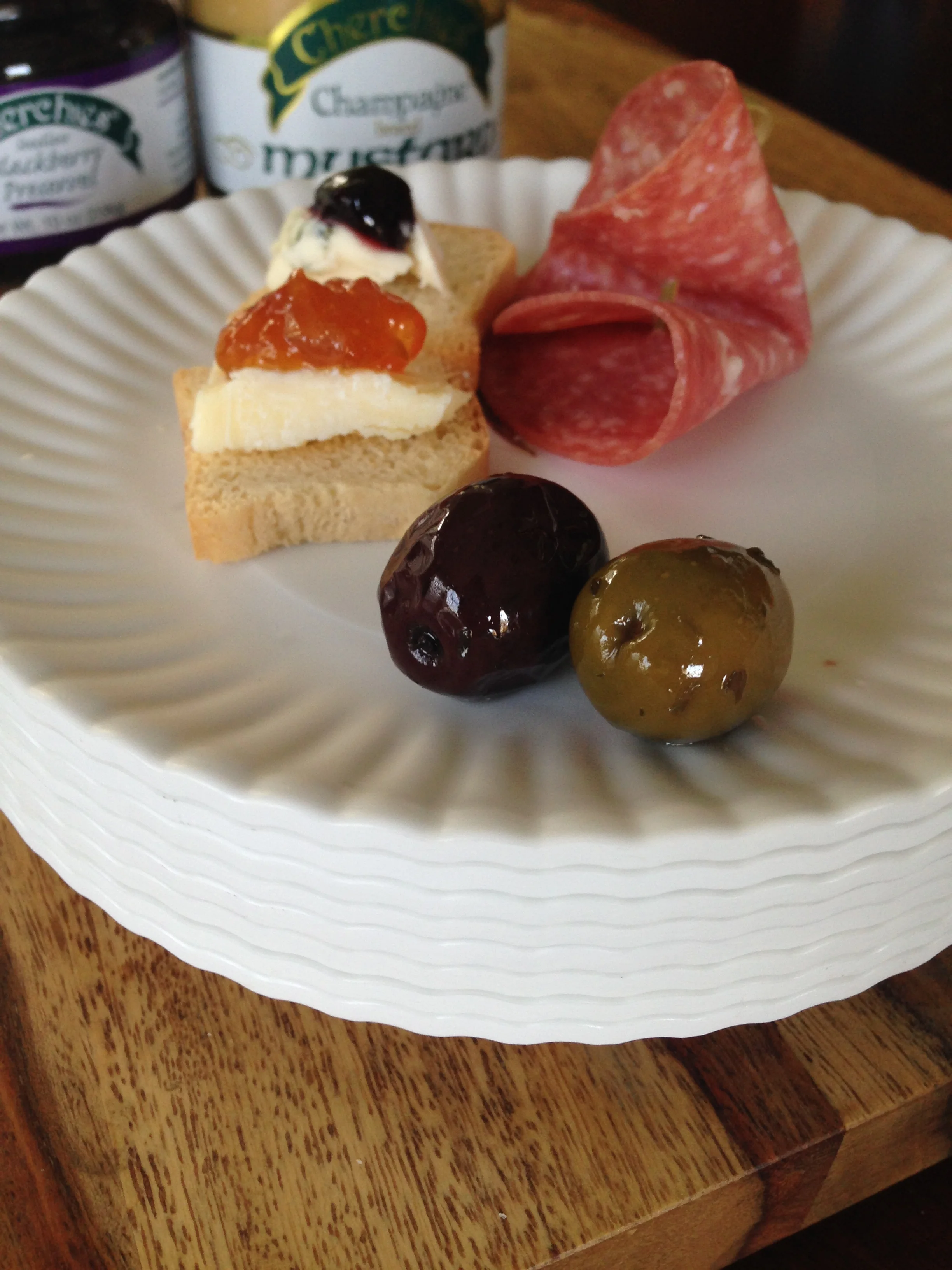
So technically, you could just pick up a slice of cheese and top it with a piece of fruit and be done.  Or, you could grab a slice of a baguette or a cracker (make sure to get good crackers ...Water Crackers tend to be a favorite...we used mini toast crostinis we found at our local Wegman's), and start creating, combining cheeses with fruit, pepper jams, mustards, preserves, meats, oh my!.  Your taste buds will thank you!

Try these options to start (the possibilities are endless!):

Miscellaneous Items

Usually, cheese plates have some sort of meat, such as sausage, salami, etc.  In addition to salami, we decided to amp up our cheese board even more and add Pepperoncini Peppers and olives, but you could also add nuts.
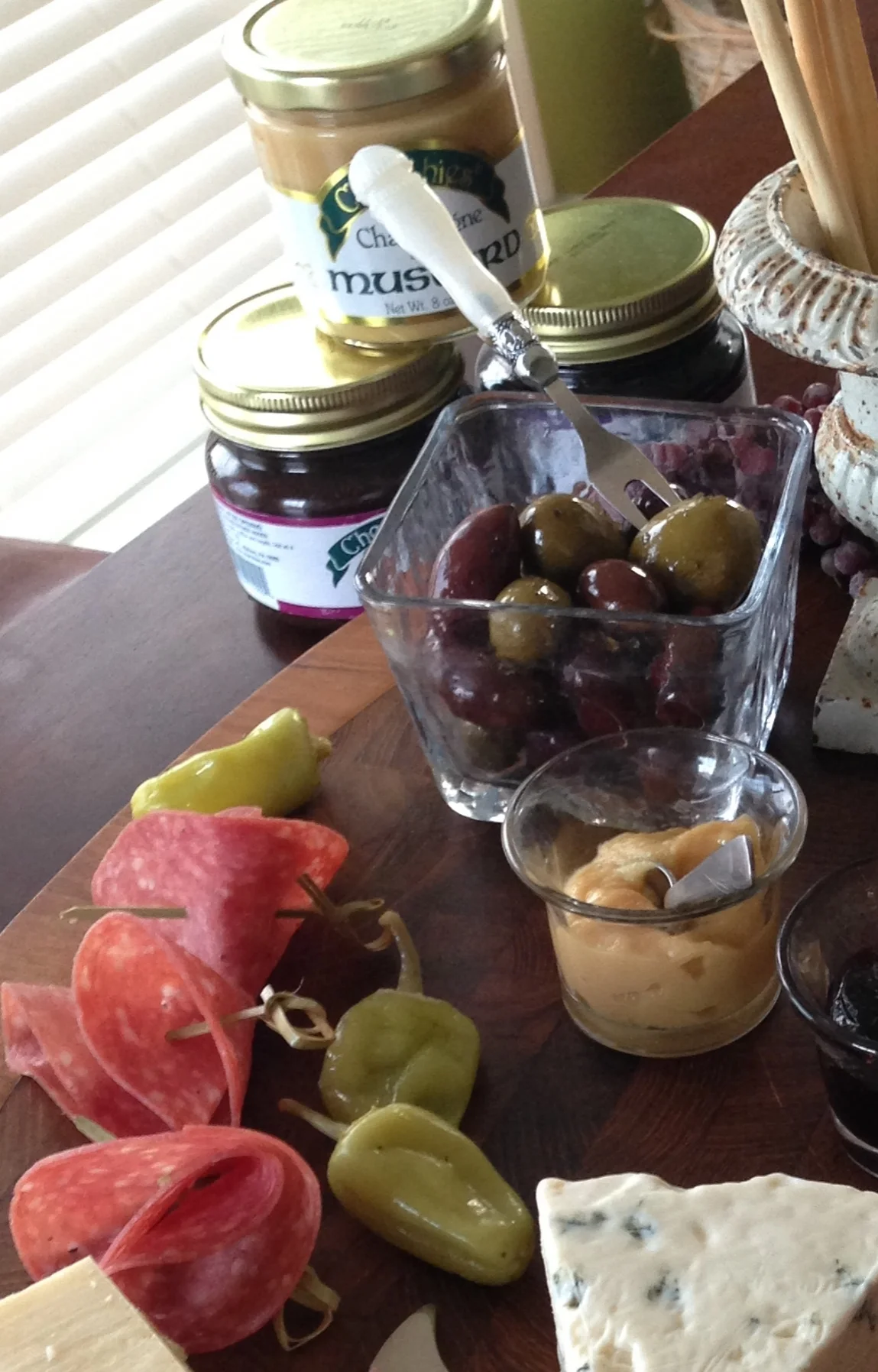
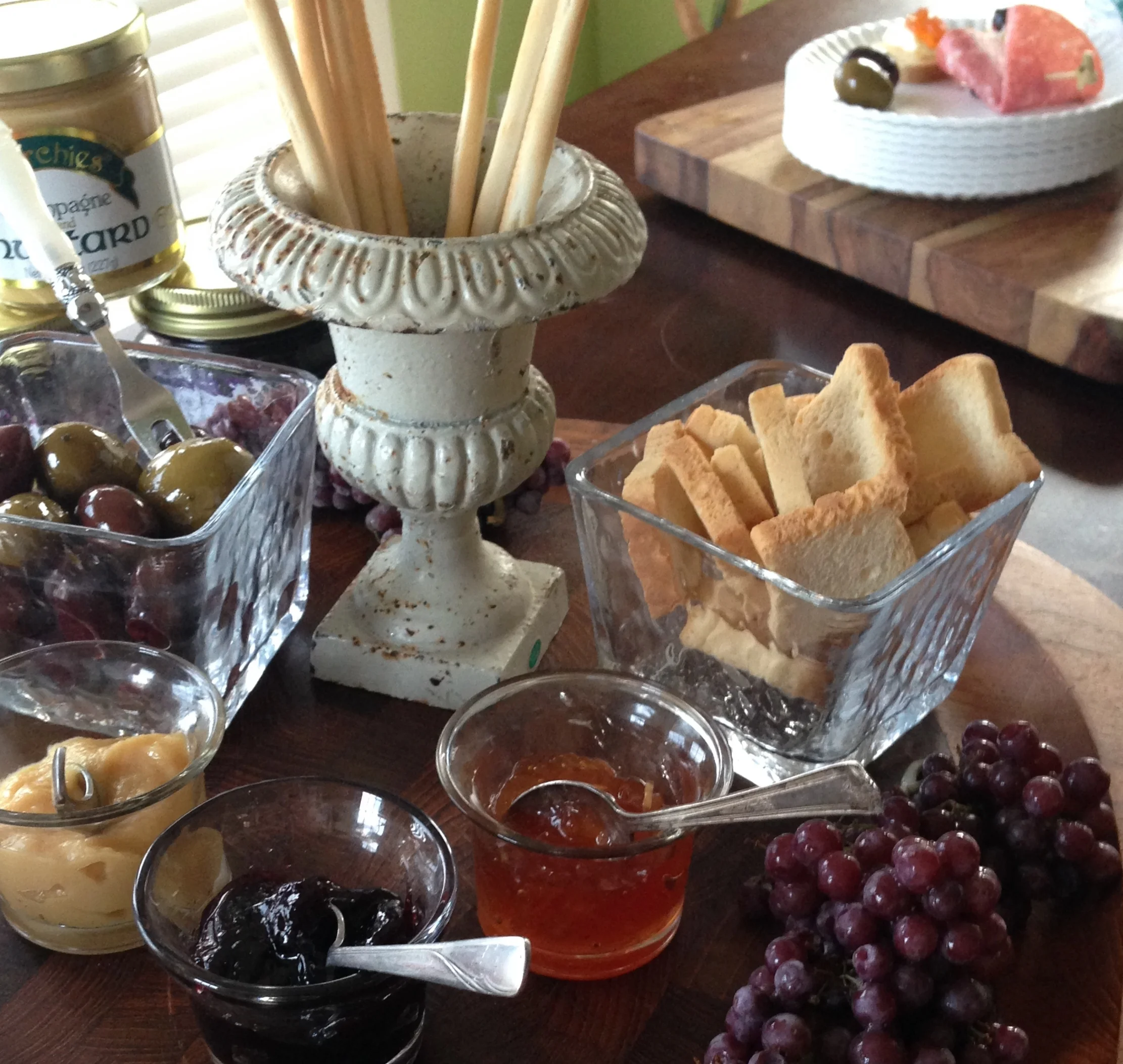
Cheese platters are not only an easy and elegant option for entertaining, but the combinations of ingredients are also infinite.  We love to add our personal touch and pair cheese with fruits, olives, meats, preserves, mustards, pepper jams, etc.  You will find tons of themed charcuterie options on the internet for the creative side of you (see below). We'd love to hear your favorite combinations!

The best part of a charcuterie/cheese platter is that you'll have more time on your hands for what's important...spending quality time with your family and friends!  Happy easy and elegant entertaining this holiday season!

Yum

Cooking Tip: How To Remove Pomegranate Seeds

cooking tipsSheri SpalloneComment
Cooking Tip:  How to Remove Pomegranate Seeds

Cooking Tip:  How to Remove Pomegranate Seeds

Pomegranates are usually abundant this time of year, a true sign the holidays are around the corner.  They're perfect in smoothies, salads, jams, desserts, and many more foods, plus they are an antioxidant powerhouse!

Have you ever wondered if there was an easy way to remove the seeds?

Have no fear!  I can help you!  There are a lot of great methods for de-seeding pomegranates on the internet, but I decided to share my two favorites (one is very therapeutic).  

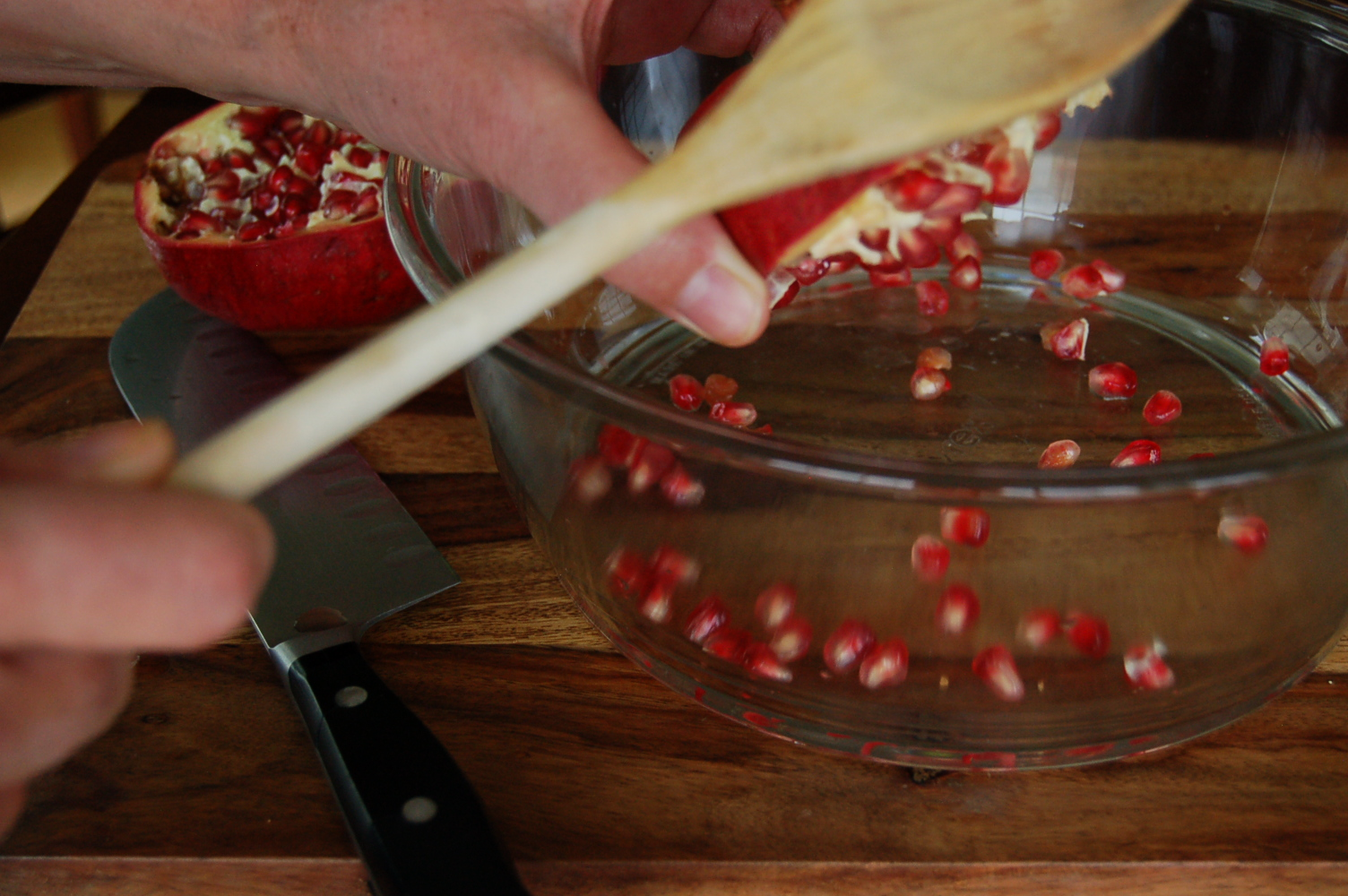
The Aggression Reliever (therapeutic version...it's not really called that, I coined it)- This method involves "whacking" the back of the pomegranate half.  I'm not talking about crazily pounding the pomegranate, but gently hitting the back of the pomegranate with the back of a large spoon.  

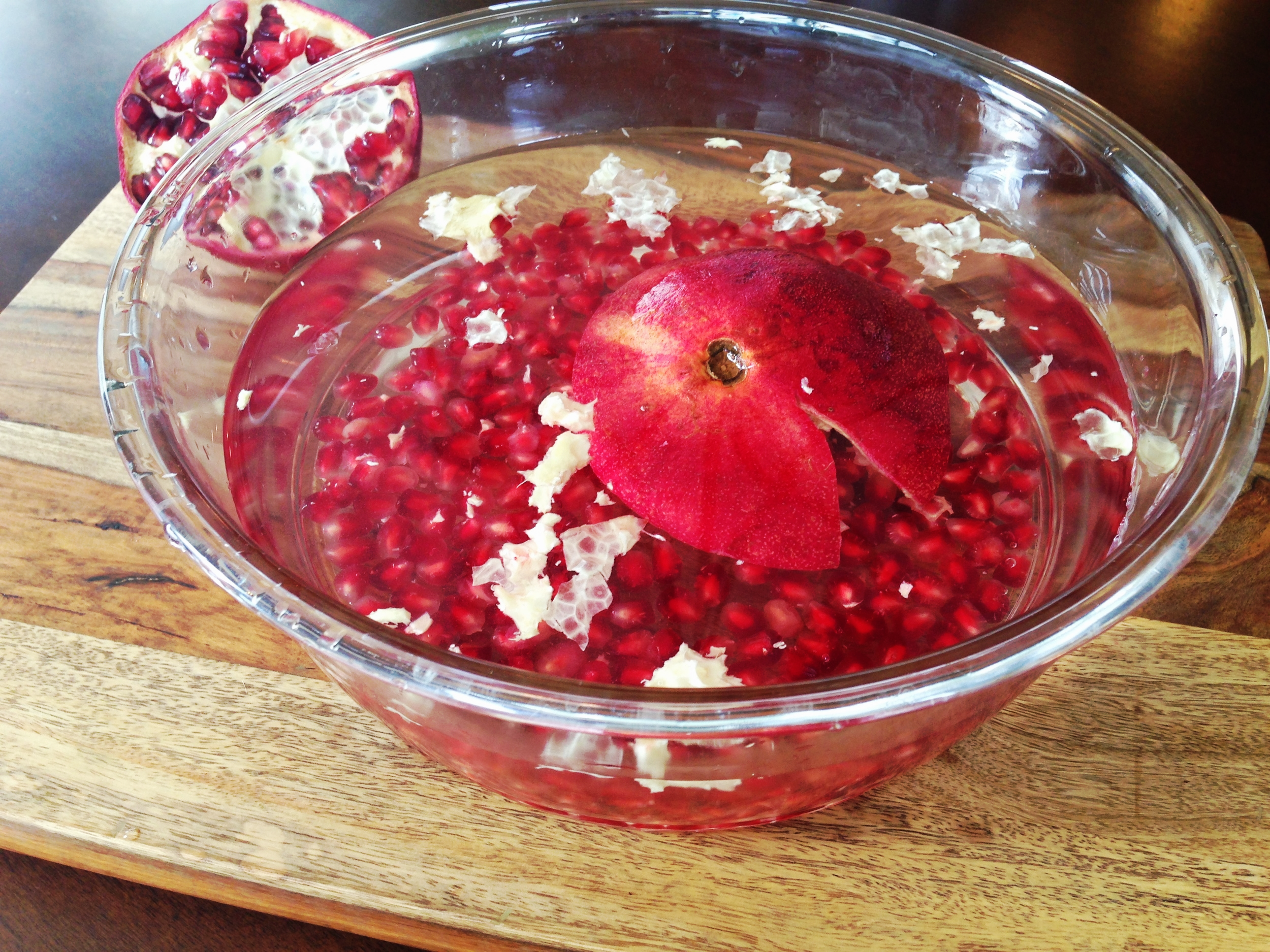
The Soaker- This method involves submerging the pomegranate halves in a bowl of water.  As you gently loosen the seeds, the white cartilage floats to the top.

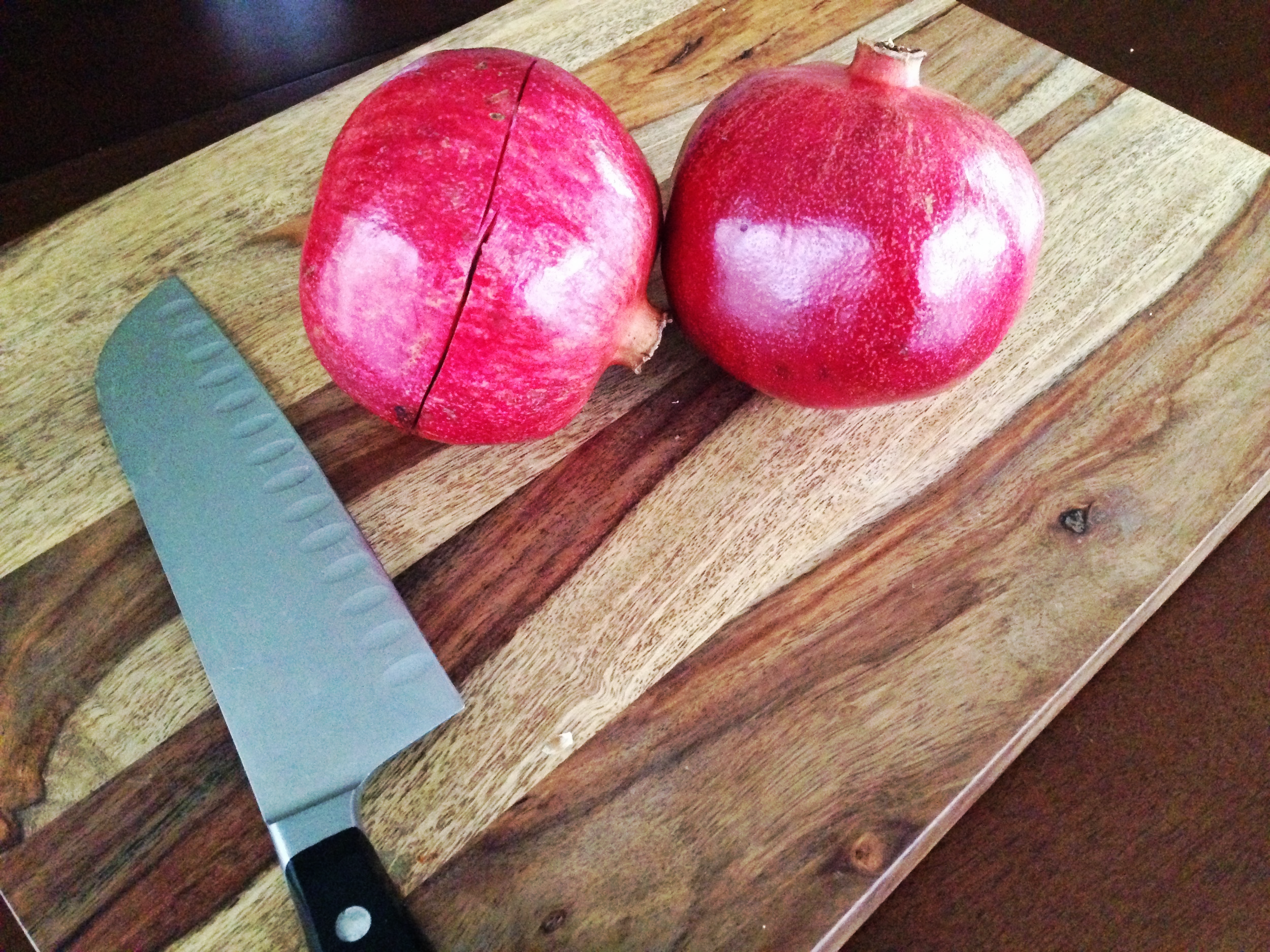
Here's How It's Done.  In both methods, with a knife, carefully "score" the skin.  I usually just make one cut around the perimeter of the pomegranate.  (I've seen some individuals make several score marks the length of the pomegranate...totally up to you).

IMG_9597.JPG

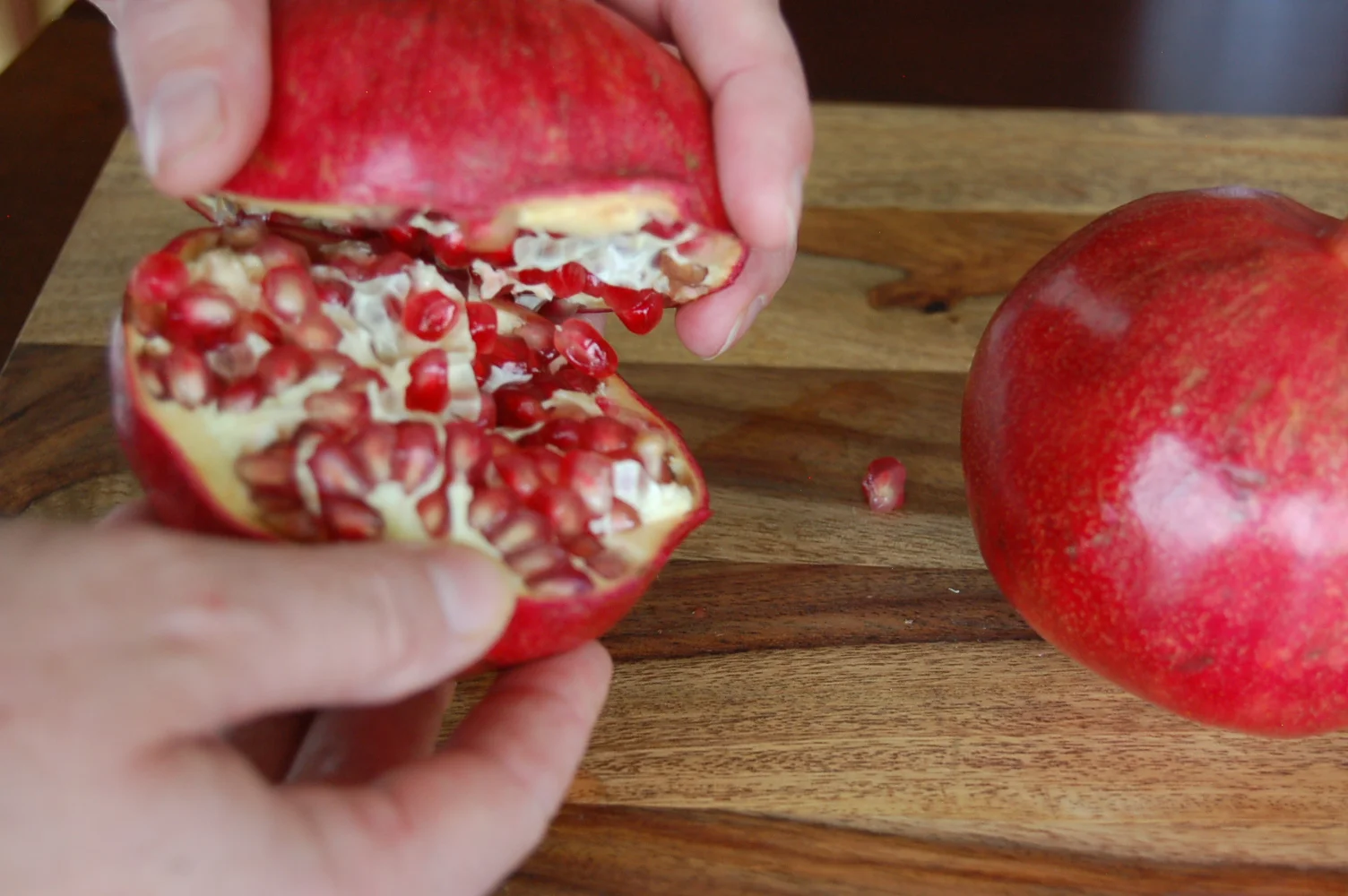
Next, Gently pull apart the pomegranate and carefully loosen up the skin and seeds while rotating the pomegranate.

Now here is where the two different methods differ.  For the Aggression Reliever Method, hold the pomegranate half upside down over a bowl and gently "whack" the back of the pomegranate with a spoon (I used a wooden spoon), rotating to remove the seeds.

DSC_1996.JPG

For The Soaker Method, simply remove the seeds while the pomegranate half is under water.   The white cartilage will then float to the top for easy removal.  Remove any last stubborn seeds by hand.

IMG_9607.JPG

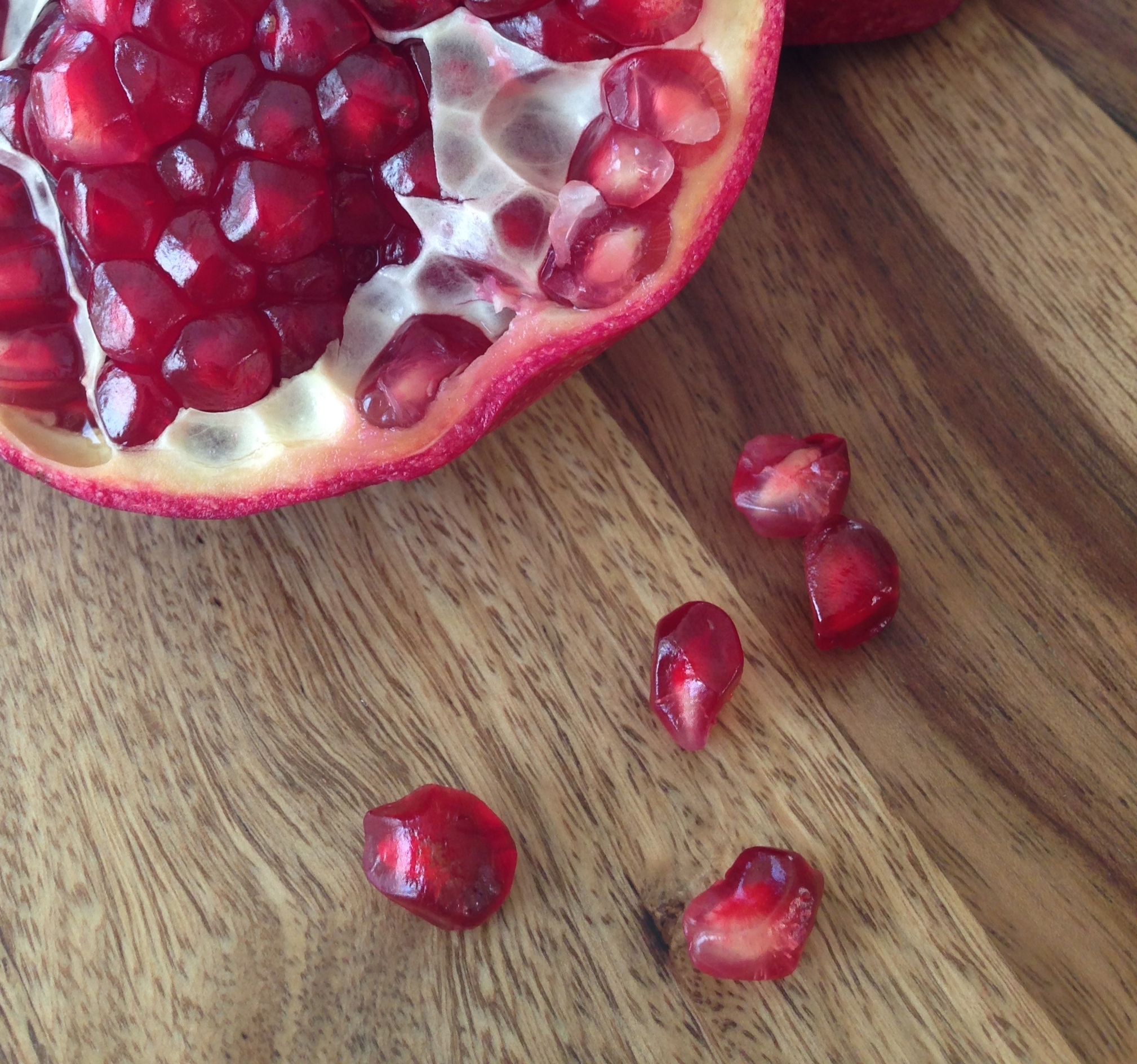
There you have it friends...beautiful, sweet, pomegranate seeds!  What's your favorite de-seeding method?

Yum

Cooking Tip: 10 Foods You Can Freeze (plus bonus)

cooking tipsSheri SpalloneComment
Cooking Tip: 10 Foods You Can Freeze

Cooking Tip: 10 Foods You Can Freeze

I'm not a fan of wasting food as my family will attest (I'm the queen of turning leftovers into a tonight's new masterpiece...they've caught on, but they still enjoy what I prepare).  So, did you know you can save money by freezing food?

With a family of 5 (one young adult, two teens, my hubby and me), plus their friends, you can imagine the size of our food bill.  What is a smart mom to do?  Freeze food!

Many years ago, at the advice of an older friend, we invested in a commercial freezer.  Since then, we buy food on sale, freeze leftovers (unless of course I use them to create new masterpieces), buy food in bulk, and freeze food for another time.  

I also learned that aside from meats, fruits, veggies, and frozen foods, there are so many other foods that can be frozen, some of which you may or may not know.

Now you can save money on your grocery bills!  Here are 10 foods you can freeze (actually 11, I gave you a bonus).

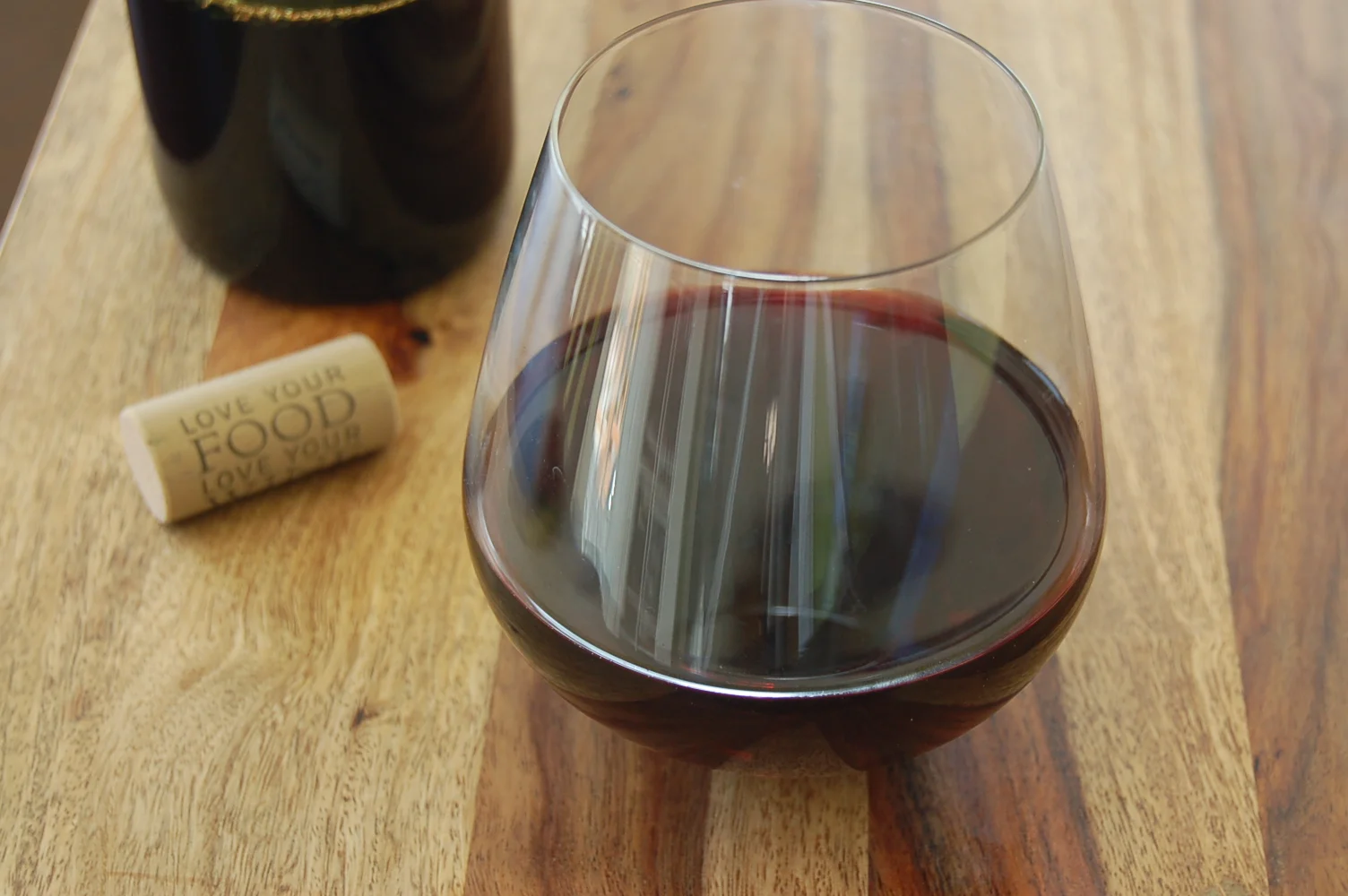
Wine- If saving leftover wine to use for cooking later, freeze wine in ice cube trays.  If just saving wine, put leftover wine into airtight containers. (6months)

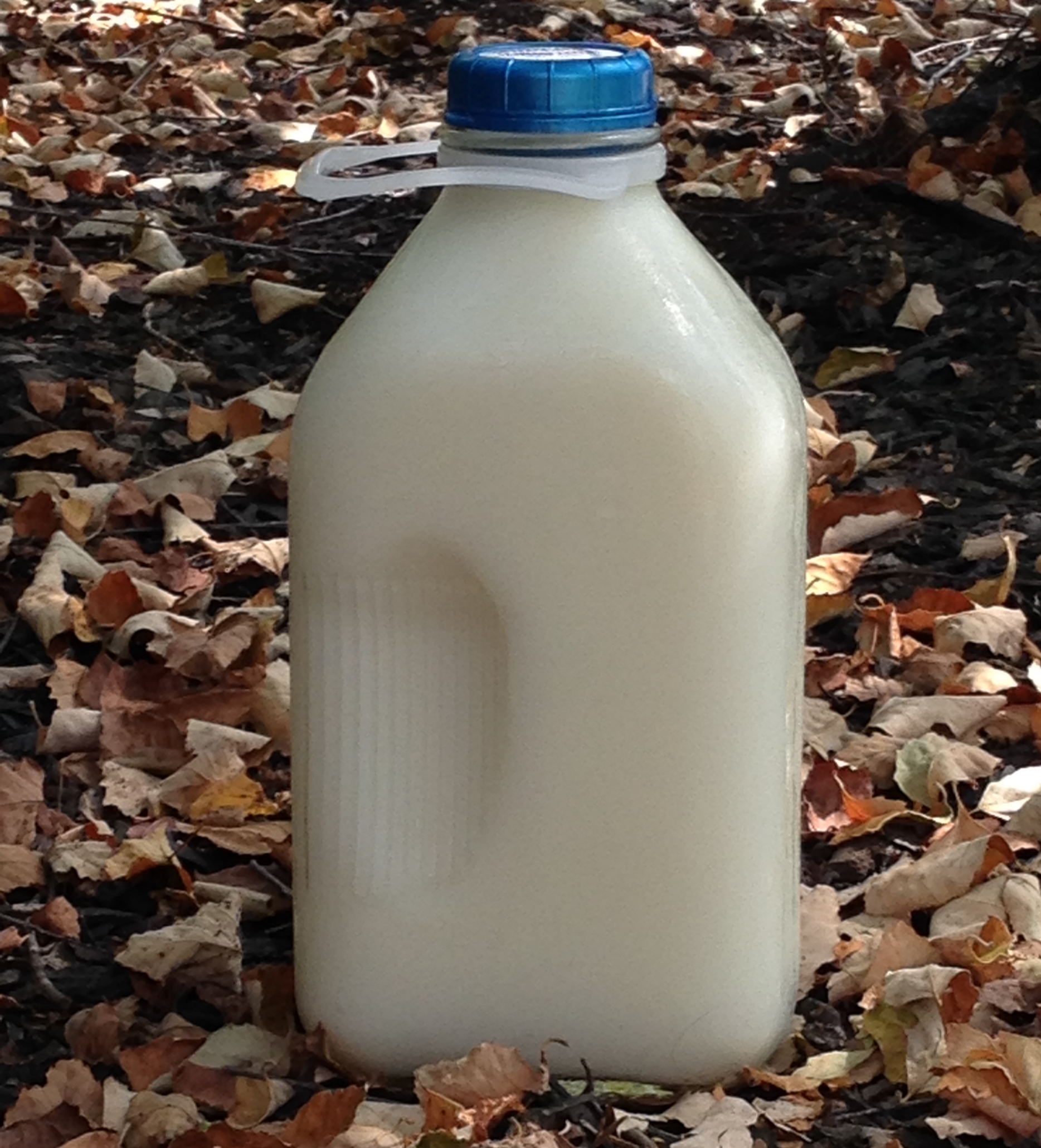
Milk- I just found this out recently (And to think for years we would clean out our milk before going on vacation!)  Simply freeze your milk in an airtight container and thaw when ready to use.  You will need to stir or shake before serving. (Store 3 months)

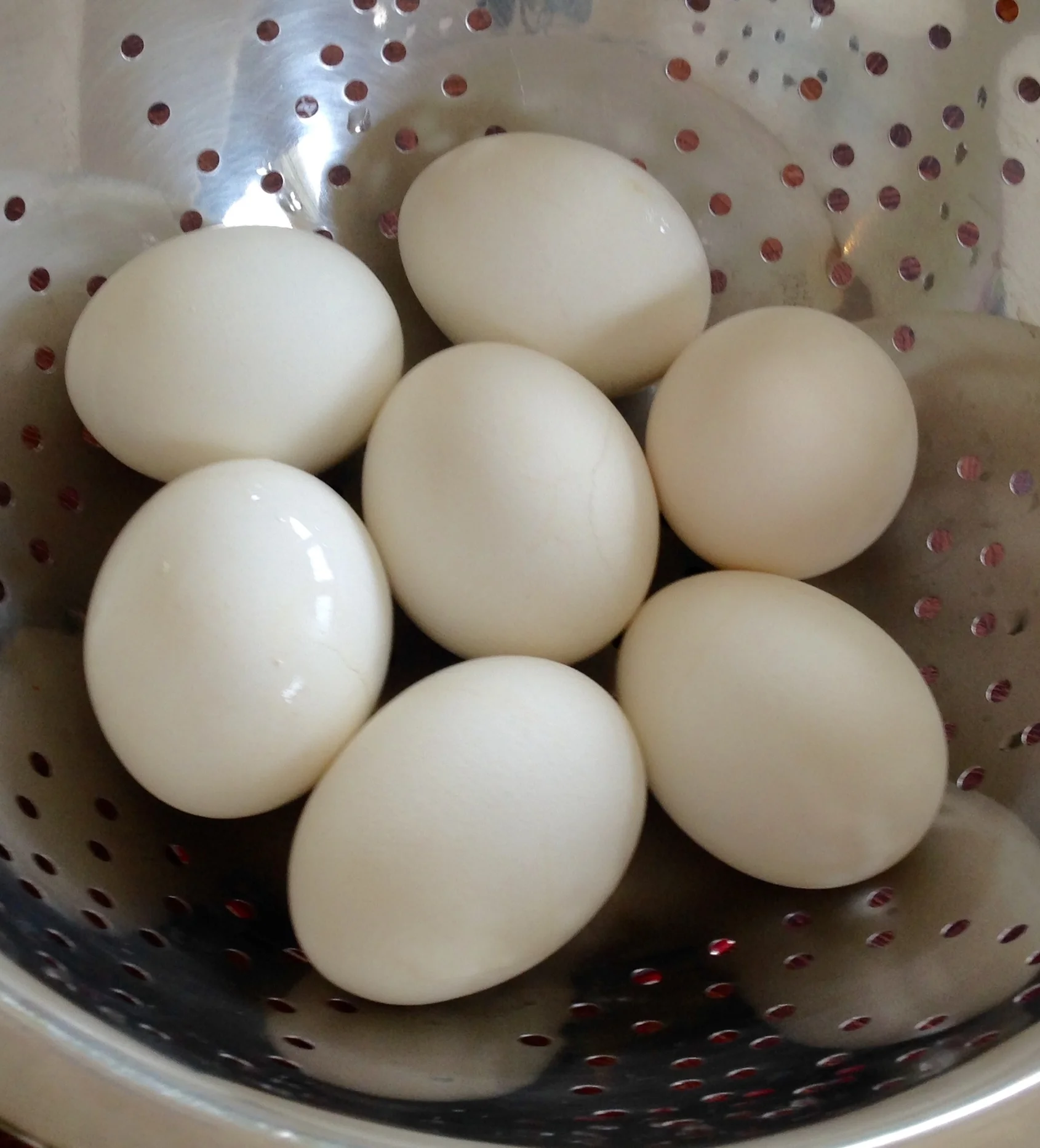
Eggs- Store cracked eggs (out of shell) in ice cube trays, freezer bags, or airtight containers in the freezer.  Thaw in refrigerator when ready to use. (Store up to 1 year).

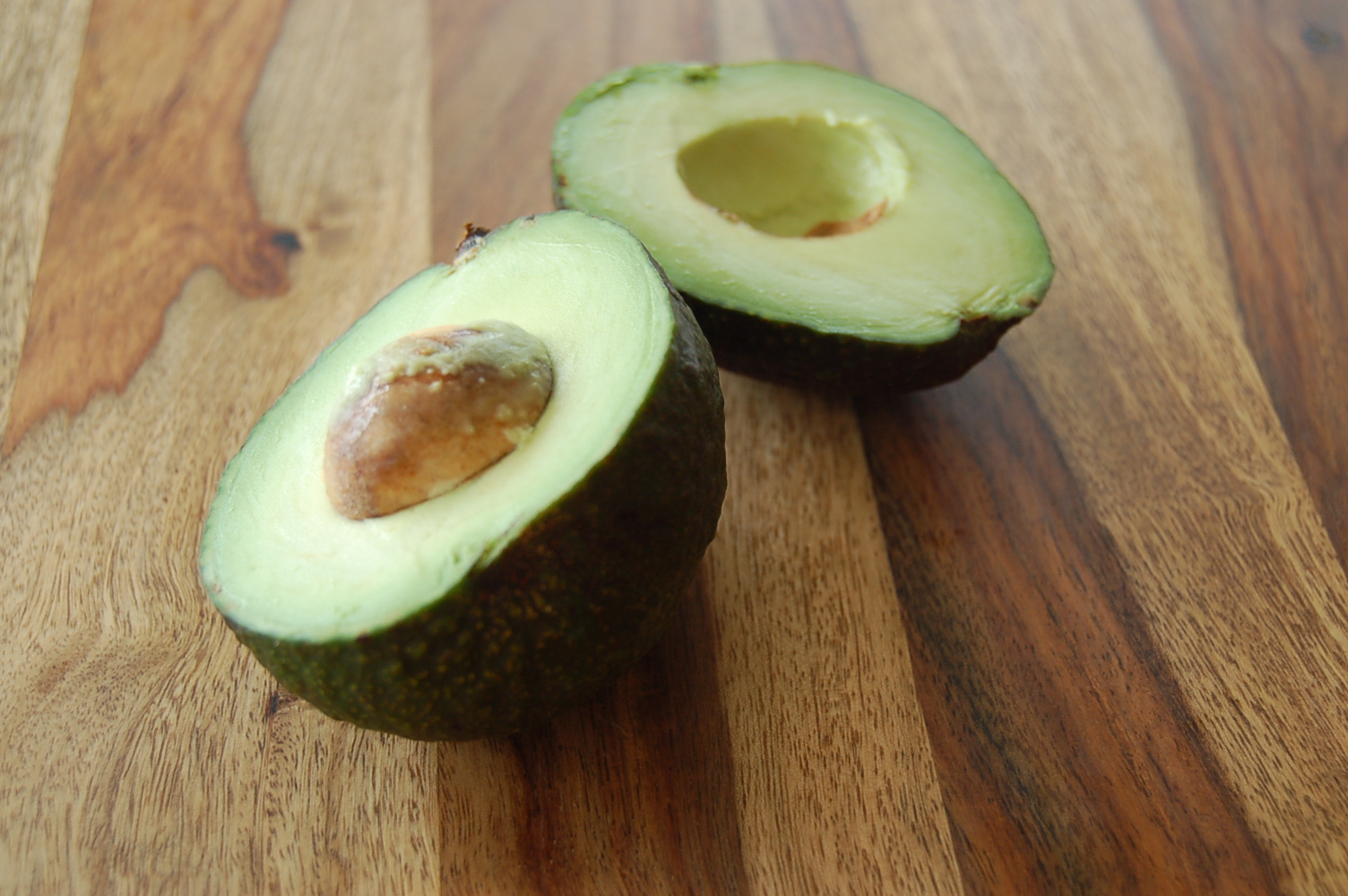
Avocados- Although the consistency may not be the same, you can freeze avocados.  Simply cut the avocados in half, dip in lemon juice, and freeze.  Thaw them in the refrigerator when ready to use for the perfect guacamole.  (Store up to 6 months)

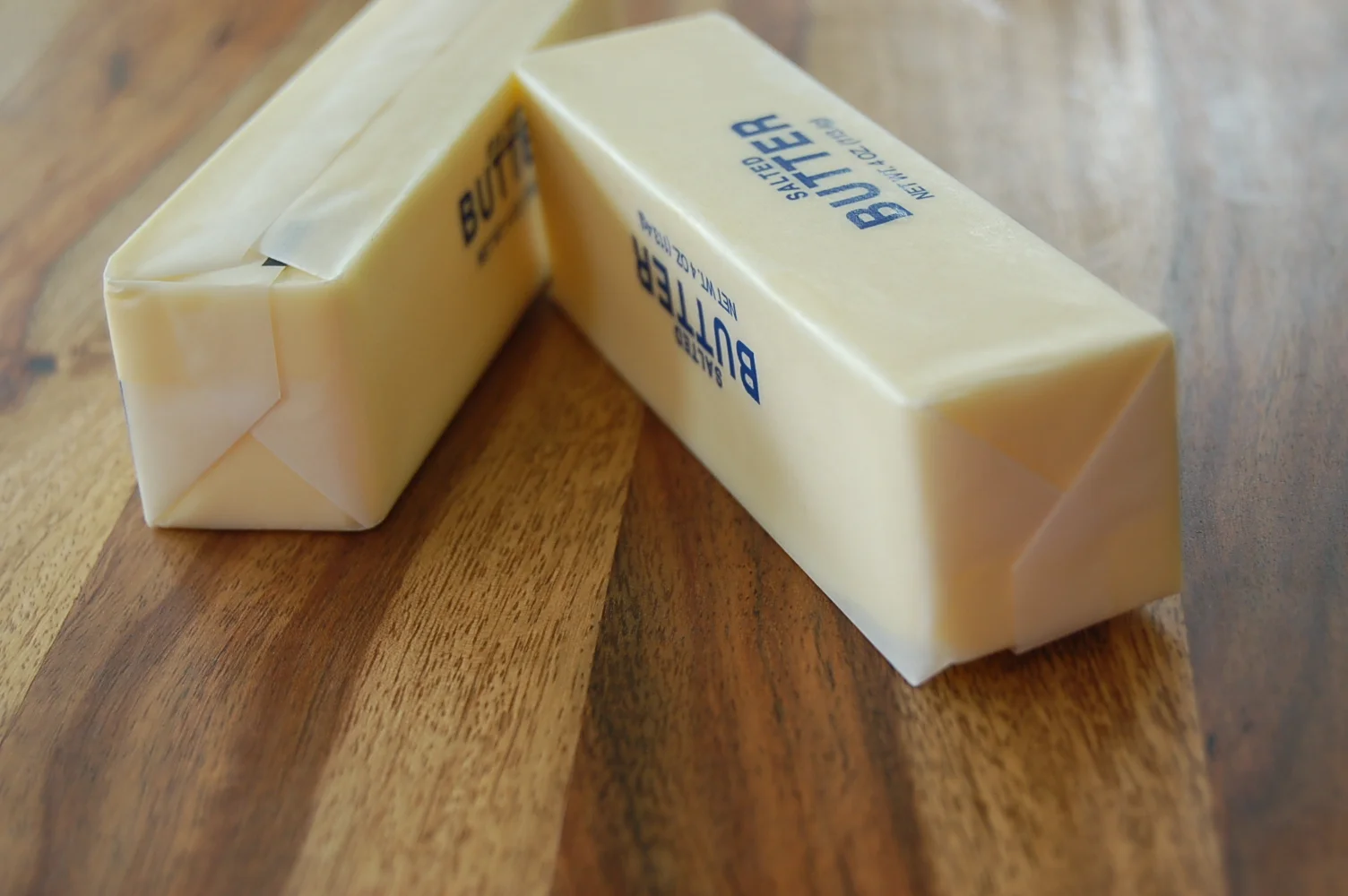
Butter- Place butter in its original wrapper into the freezer.  Defrost in the refrigerator when ready to use. (Store 6-12 months).

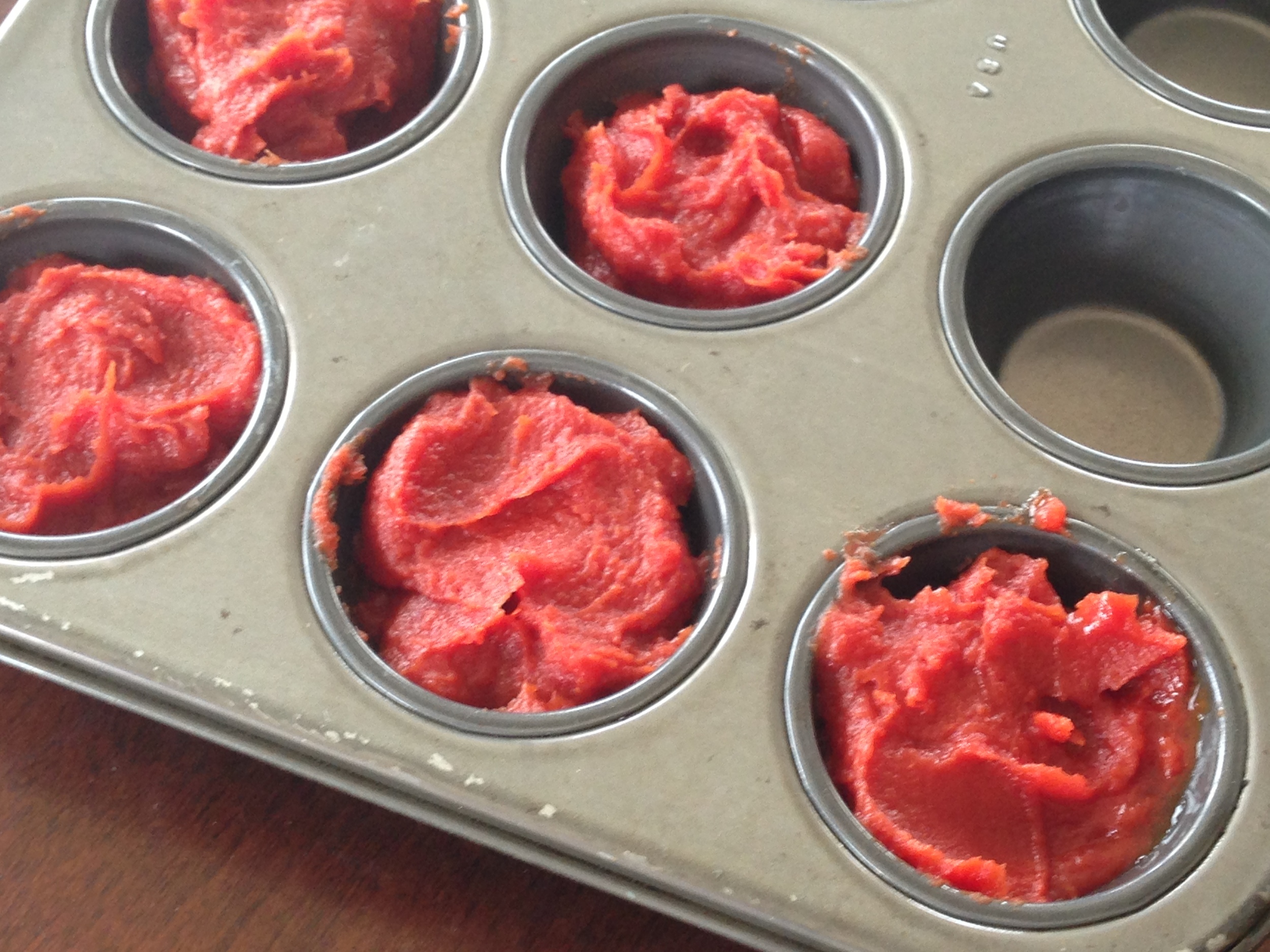
Tomato Paste - Place leftover tomato paste in mini muffin tins and freeze.  Tomato paste freezes really well and is perfect to use in sauces or chili at a later time. (Store 3 months)

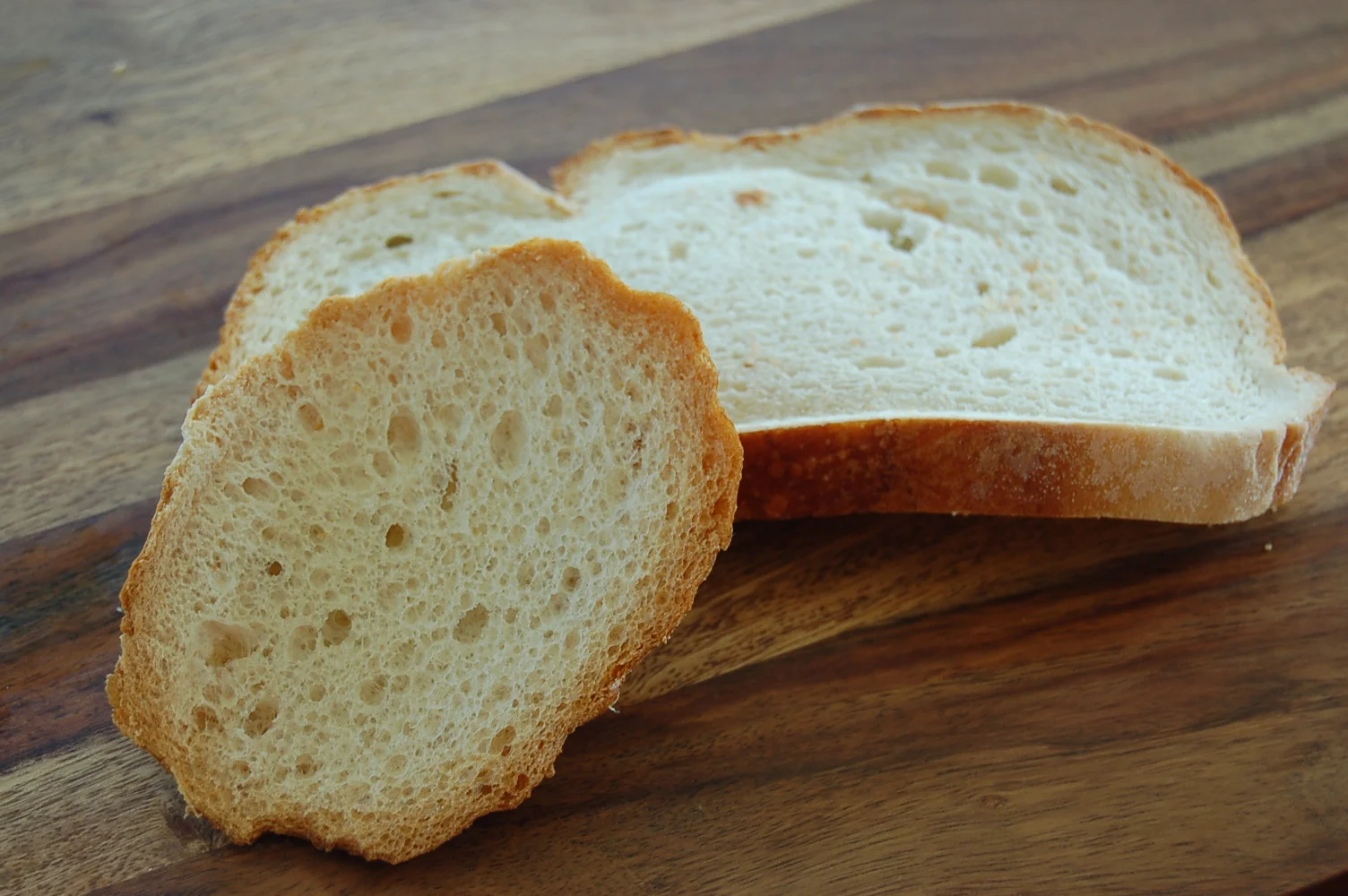
Bread - (I have done this for years...we live in Pennsylvania and it's very humid...bread doesn't last without turning moldy).  Bread is very durable. Simply place in the freezer and remove as needed and defrost on the counter or microwave for 10-20 seconds. (3 months)

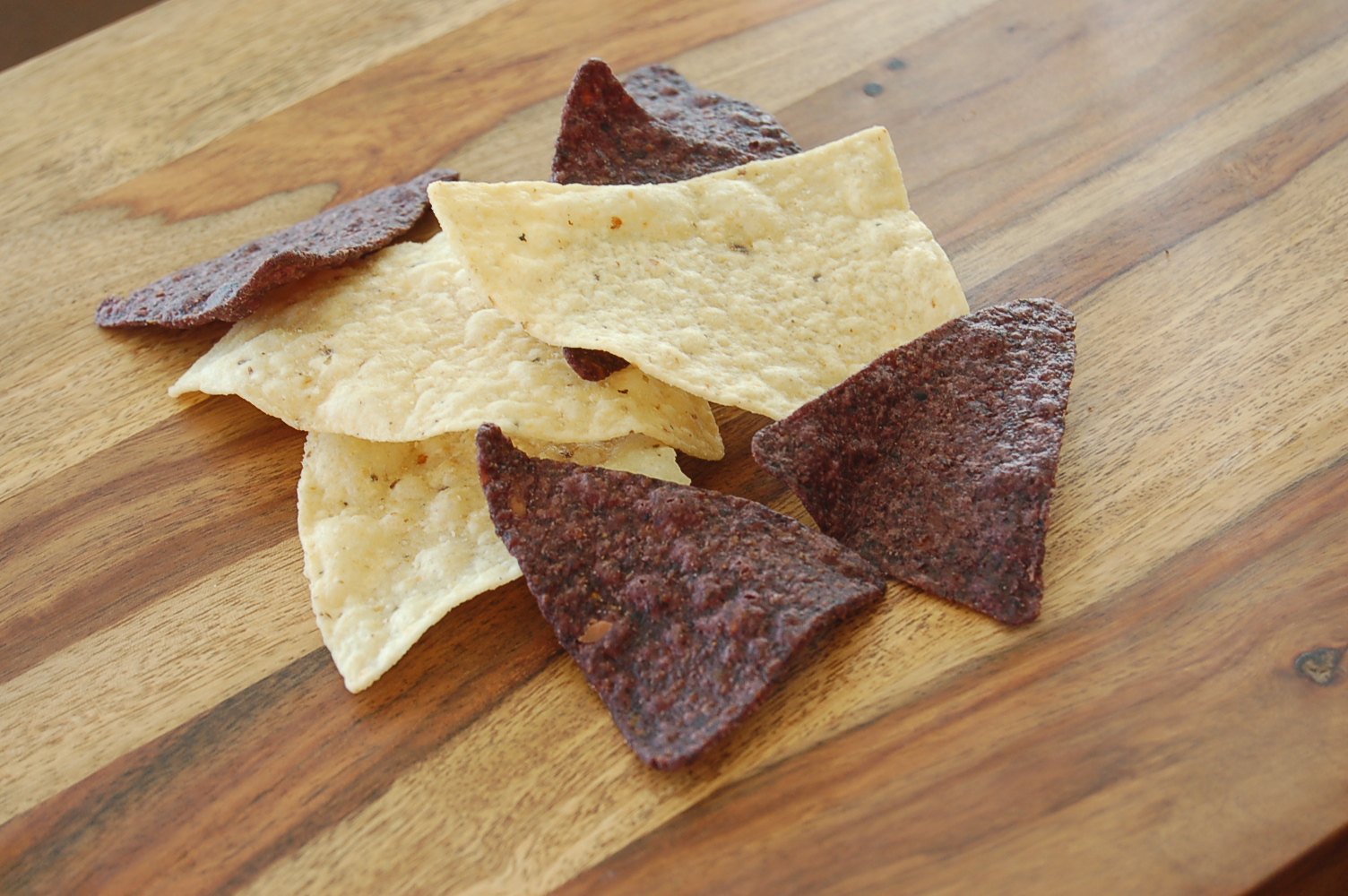
Chips/ Crackers- Just like bread, crackers and chips freeze well.  Remove from freezer and place on counter to defrost.  If after thawing chips or crackers are stale simply place on a cookie sheet.  Bake crackers at 350 degrees for about 5 minutes, or until crisp.  (6-8 months).

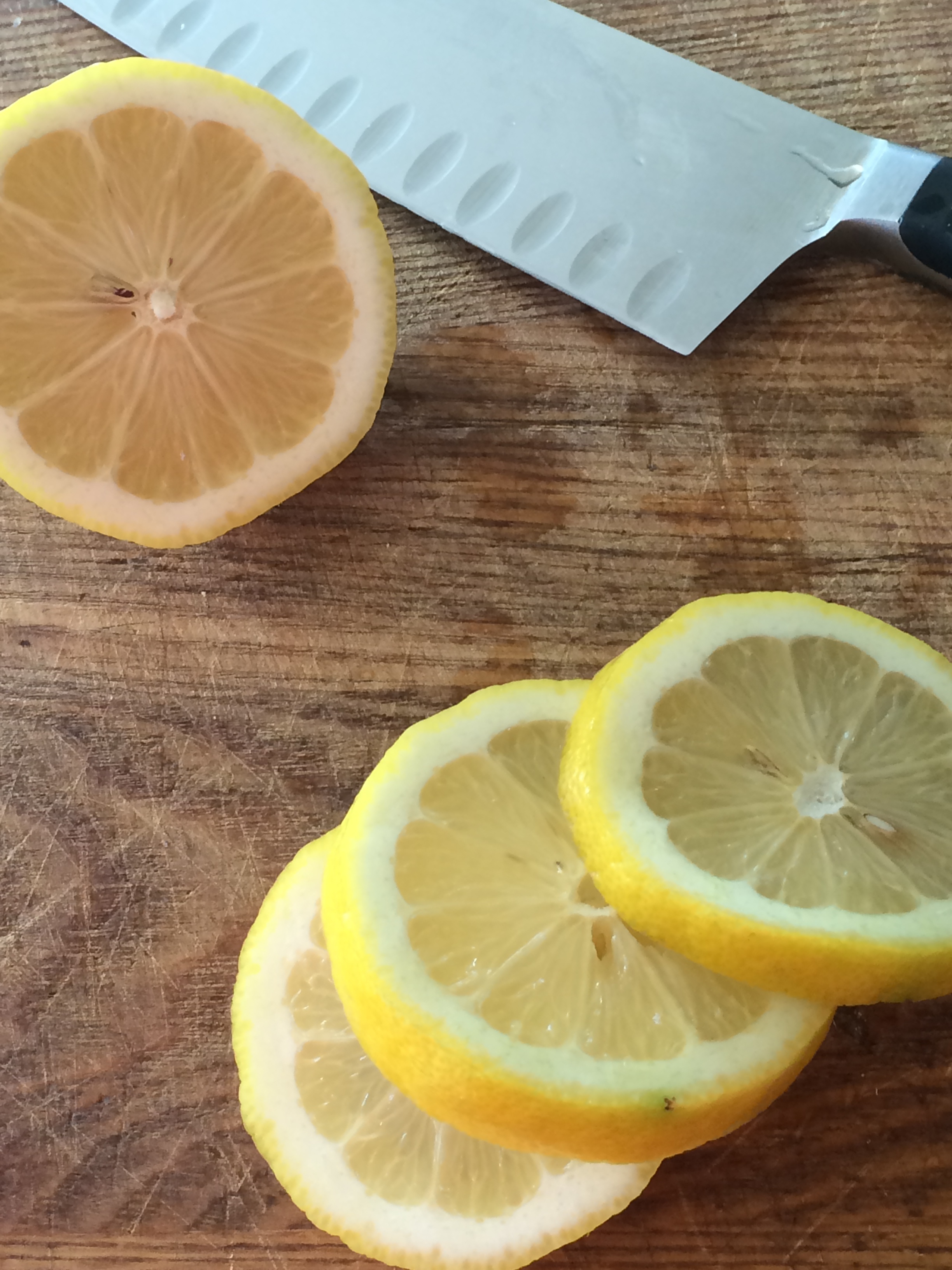
Lemons (or any citrus) - Citrus is perfect for freezing for the juice and the zest.  Simply defrost on the counter when ready to use. (6 months)

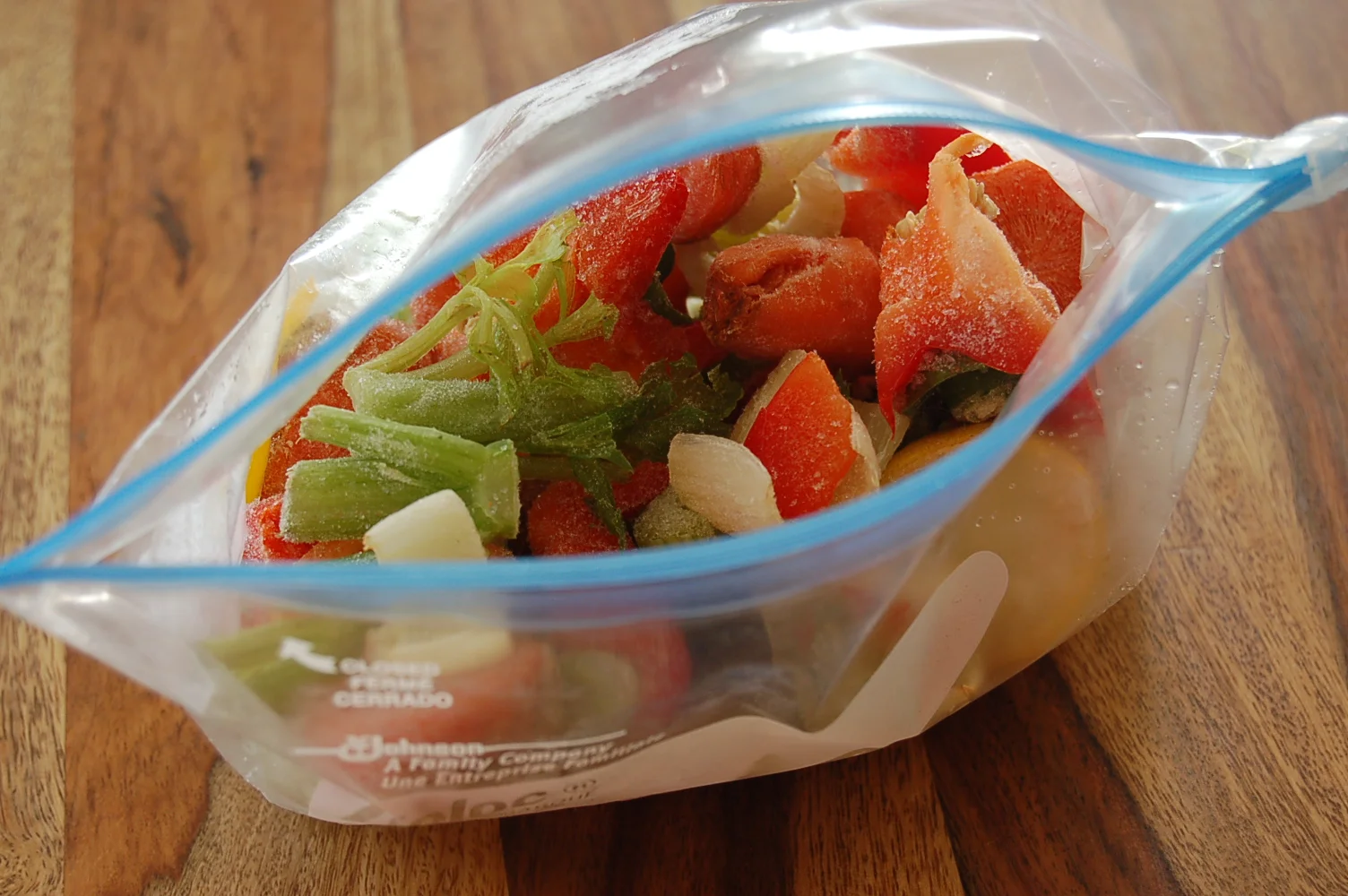
Vegetable Scraps - Onion, celery, carrot, and turnip ends, peppers and such...place them in a resealable bag or airtight container and use for a lovely broth later.  (6+ months)

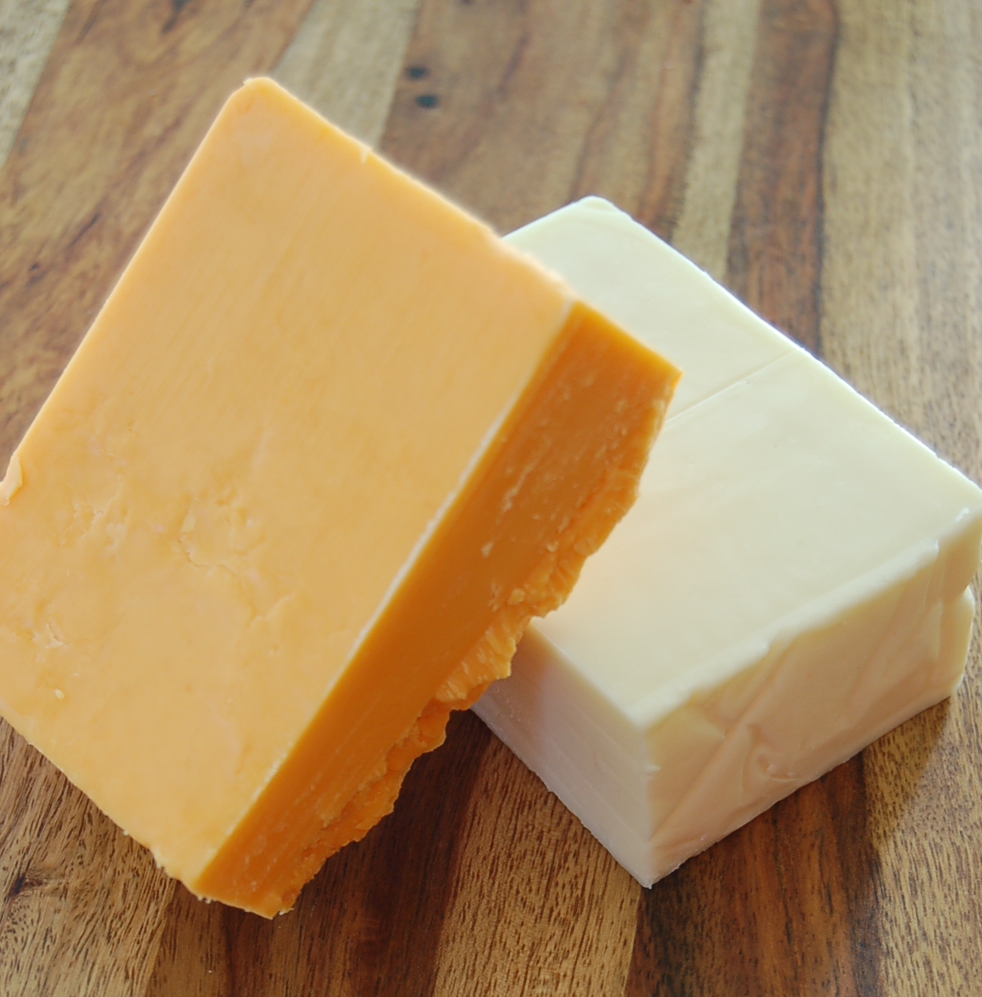
Cheese - One of my favorites!  Buy cheese blocks on sale and either freeze as is or shred cheese into freezer bags for later. Cheese defrosts nicely on the counter.

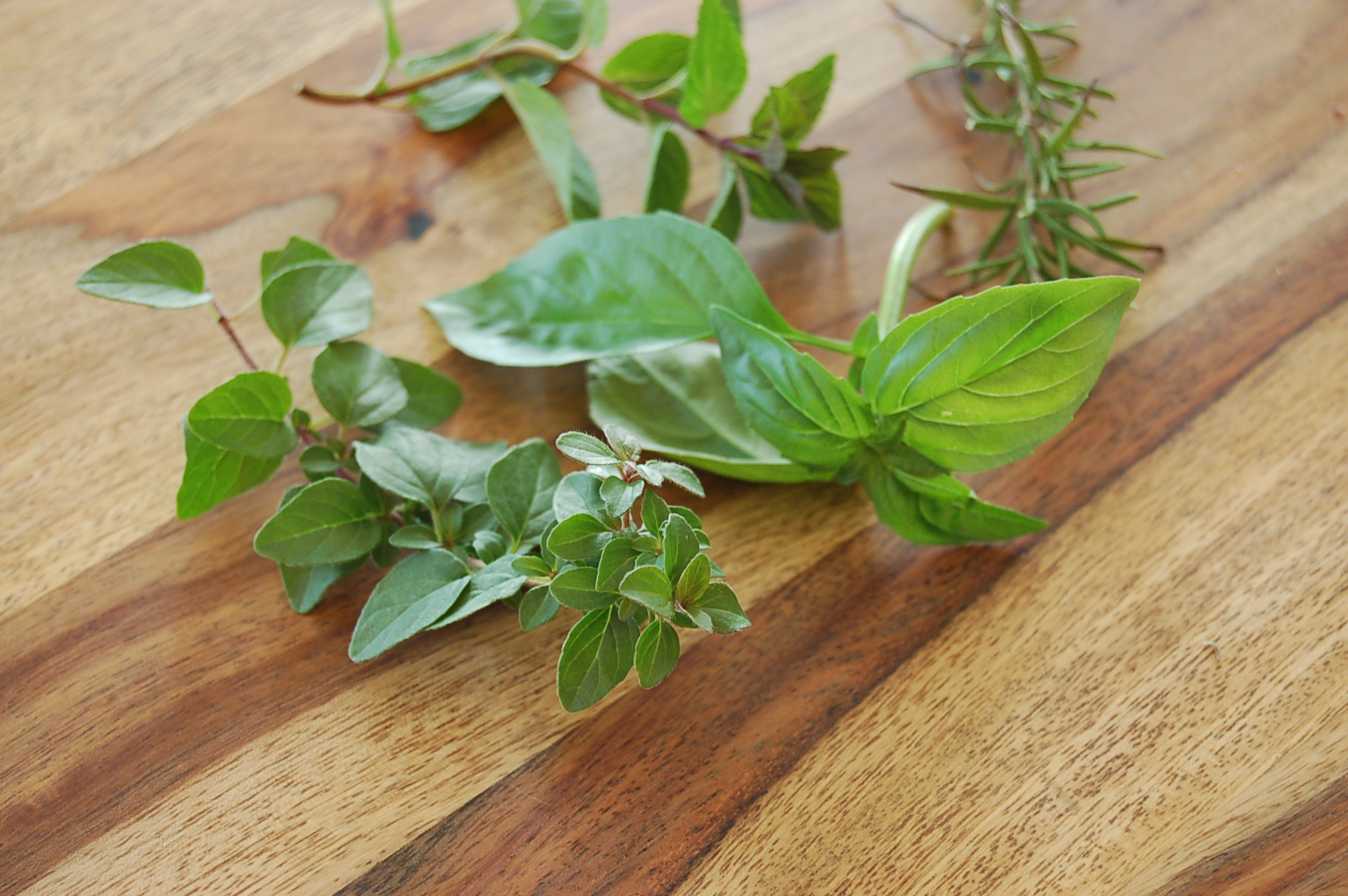
Herbs - Here's a bonus. Freeze leftover fresh herbs in ice cube trays or small resealable bags with a little water. (6+ months)

Yum

Cooking Tip: How To Measure Ingredients

cooking tipsSheri SpalloneComment
Cooking Tip: How To Measure Ingredients

Cooking Tip: How To Measure Ingredients

Originally posted in 2015. Updated 12/8/22.

Hey folks! The holiday season is upon us, and seasonal baking has kicked into full gear in homes across the country.

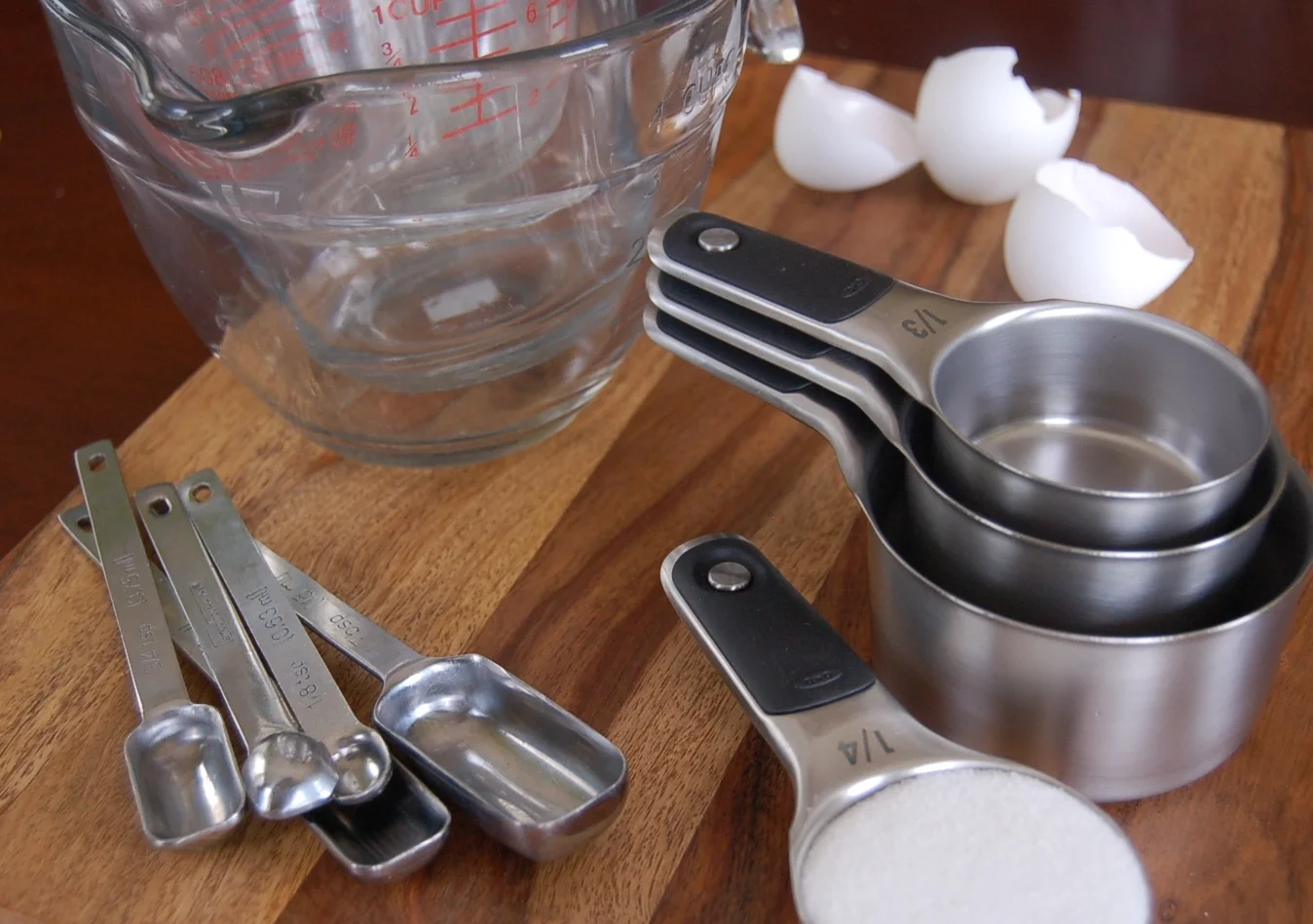
Of the many things I’ve learned over the years in my culinary creations, using the correct measuring equipment for baking is essential to ensure you get the same results each time. It is crucial in baking, as exact measurements are critical. Where cooking lends itself to adding “a little of this and a little of that,” baking is a precise science. Follow along as I explain the different tools and measurements.

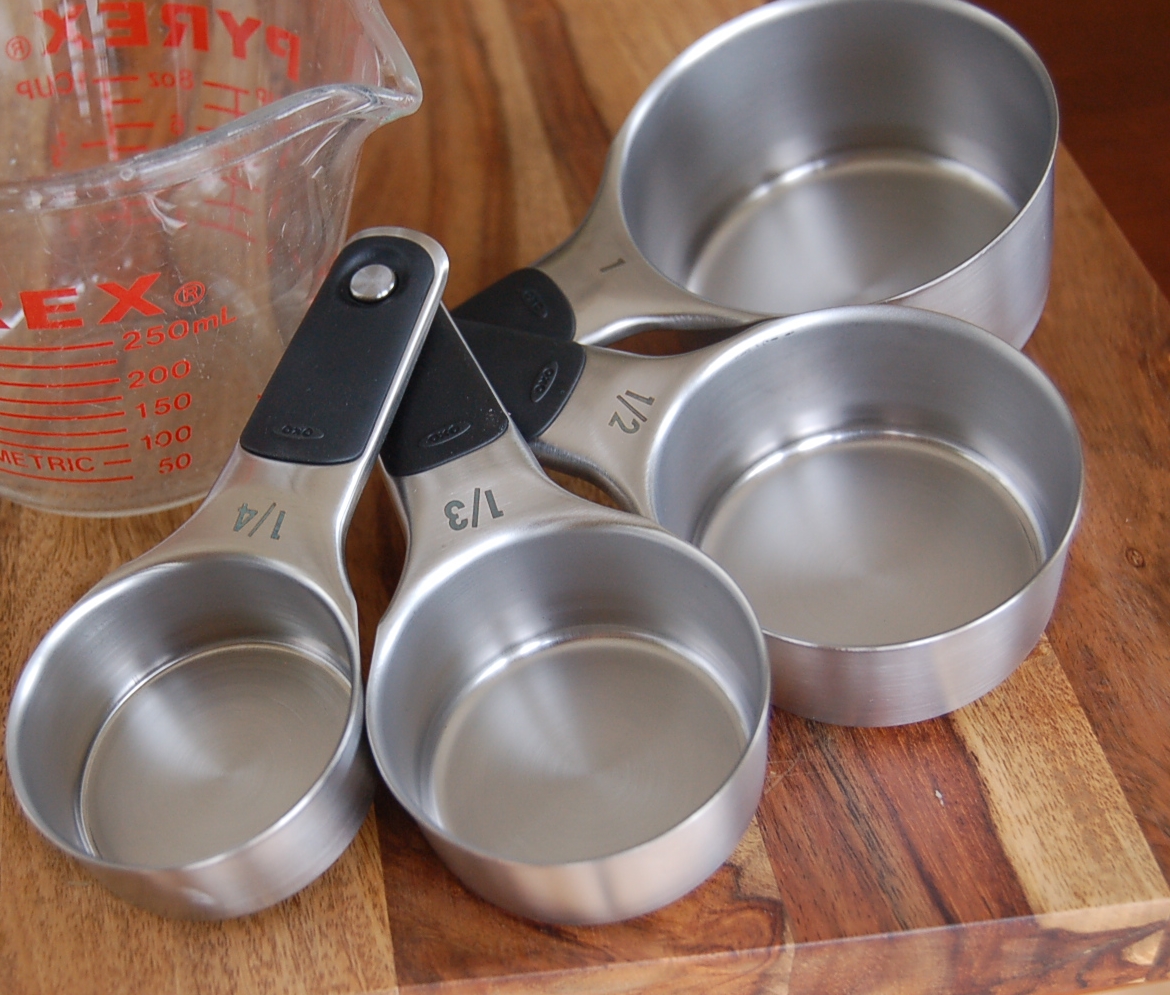
Use dry ingredient measuring cups for the following:

Solids

Solids are best measured in a dry cup and include flour, cocoa powder, powdered sugar (confectioner sugar), sugar, brown sugar, and extra ingredients (nuts, dried fruit, chips, etc.). Flour, cocoa powder, and powdered sugar are best spooned into the measuring cup and leveled off with the back of a knife, whereas sugar can be scooped out of a bag or container and then leveled off with a knife. Brown sugar, unless otherwise noted, is usually scooped and firmly packed in the dry measuring cup. Extra ingredients may be scooped into a dry measuring cup.

Semi-liquids include peanut butter, yogurt, applesauce, sour cream, mashed bananas, shortening, and butter (if not in stick form). For the ingredients that need to be packed down, like peanut butter, butter (not in stick form), and shortening, spoon the ingredients into a dry measuring cup, pack them down with a spatula, and level with the back of a knife or spatula. For the other semi-liquids (yogurt, applesauce, sour cream, mashed bananas, etc.), spoon into (like you do with flour) the dry measuring cups and level off with the straight edge of a knife or spatula.  

Liquid Sweeteners, while typically classified as a liquid, these sticky ingredients are best if measured in a dry measuring cup and sprayed with a bit of cooking oil before use.

Use liquid measuring cups for:

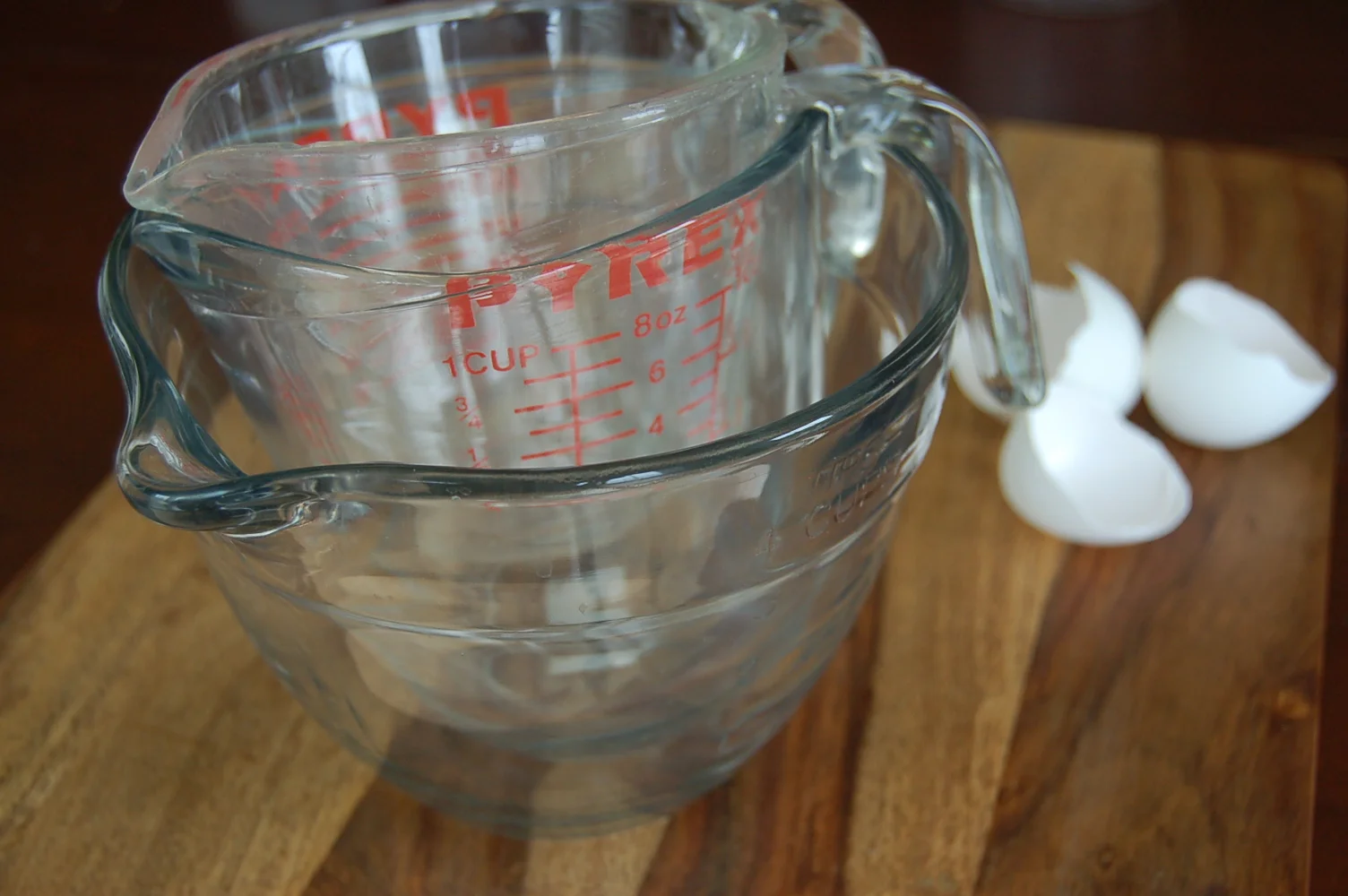
Liquids include milk, oil, water, and melted butter. Use a 1, 2, 4, or 8 liquid measuring cup with markings for lesser amounts on the side of the cup. Always make sure the liquid measuring cup is on a level surface, and always read the measurement at eye level.  

For wet (liquid) and dry (solid) ingredients:

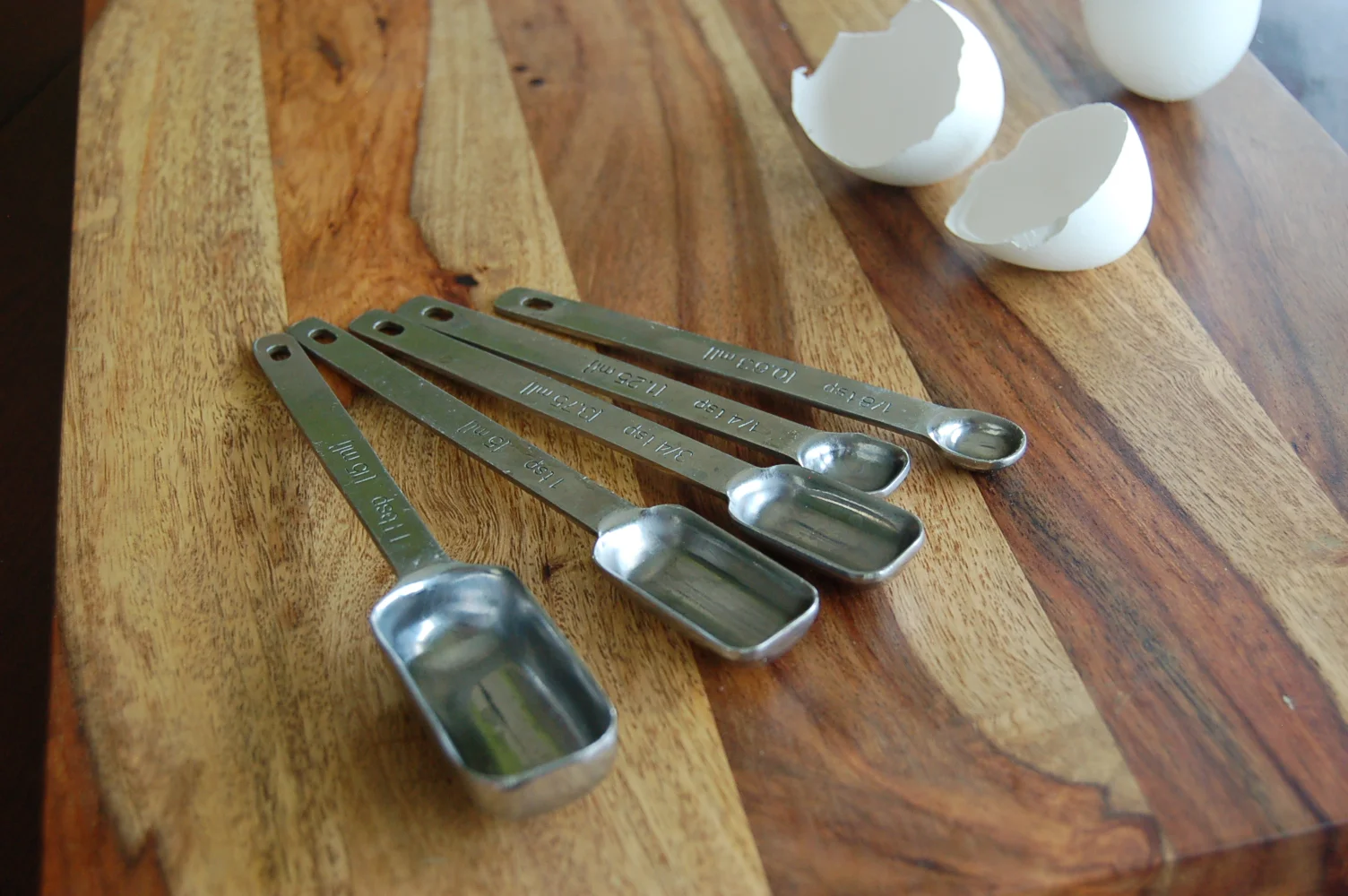
For smaller amounts of dry, solid, or liquid ingredients, use measuring spoons (teaspoons, Tablespoons, or less) to measure.

Helpful hints

To sift or not to sift?

If a recipe calls for “1 cup of flour, sifted,” — measure the flour, then sift it. If a recipe calls for “1 cup of sifted flour,” — sift the flour, then measure. It all depends on where the word “sifted” is in the ingredient wording. If “sifted” is before the ingredient name, sift before measuring. If “sifted” is after the ingredient name, sift after measuring.- Sally’s Baking Addiction. The same goes for confectioners’ sugar (powdered sugar).

Make your holiday baking stress free by following these simple measuring guidelines. Happy baking!

Yum