Cherchies Blog

cooking tips

Cooking Tip: How To Measure Ingredients

cooking tipsSheri SpalloneComment
Cooking Tip: How To Measure Ingredients

Cooking Tip: How To Measure Ingredients

Originally posted in 2015. Updated 12/8/22.

Hey folks! The holiday season is upon us, and seasonal baking has kicked into full gear in homes across the country.

Of the many things I’ve learned over the years in my culinary creations, using the correct measuring equipment for baking is essential to ensure you get the same results each time. It is crucial in baking, as exact measurements are critical. Where cooking lends itself to adding “a little of this and a little of that,” baking is a precise science. Follow along as I explain the different tools and measurements.

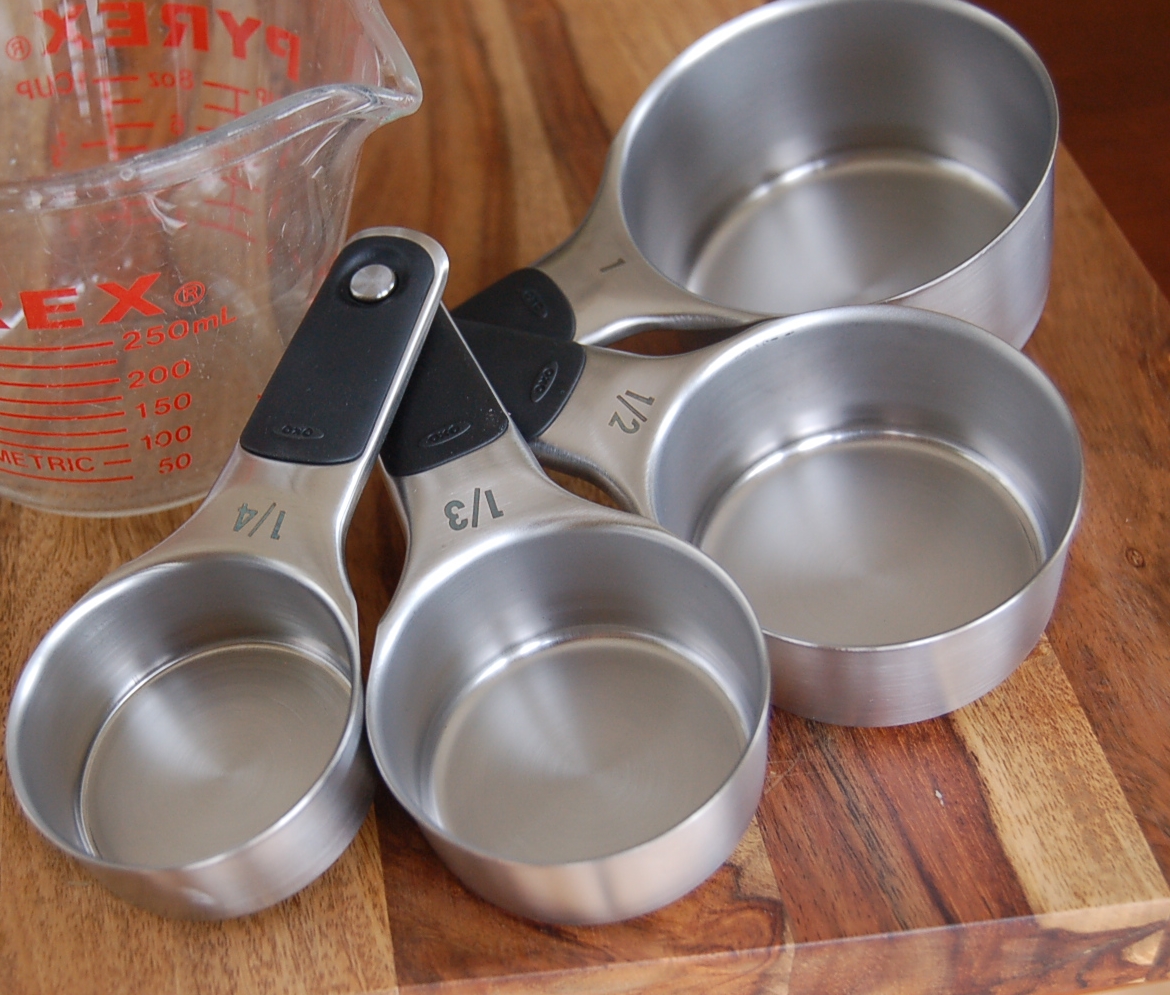
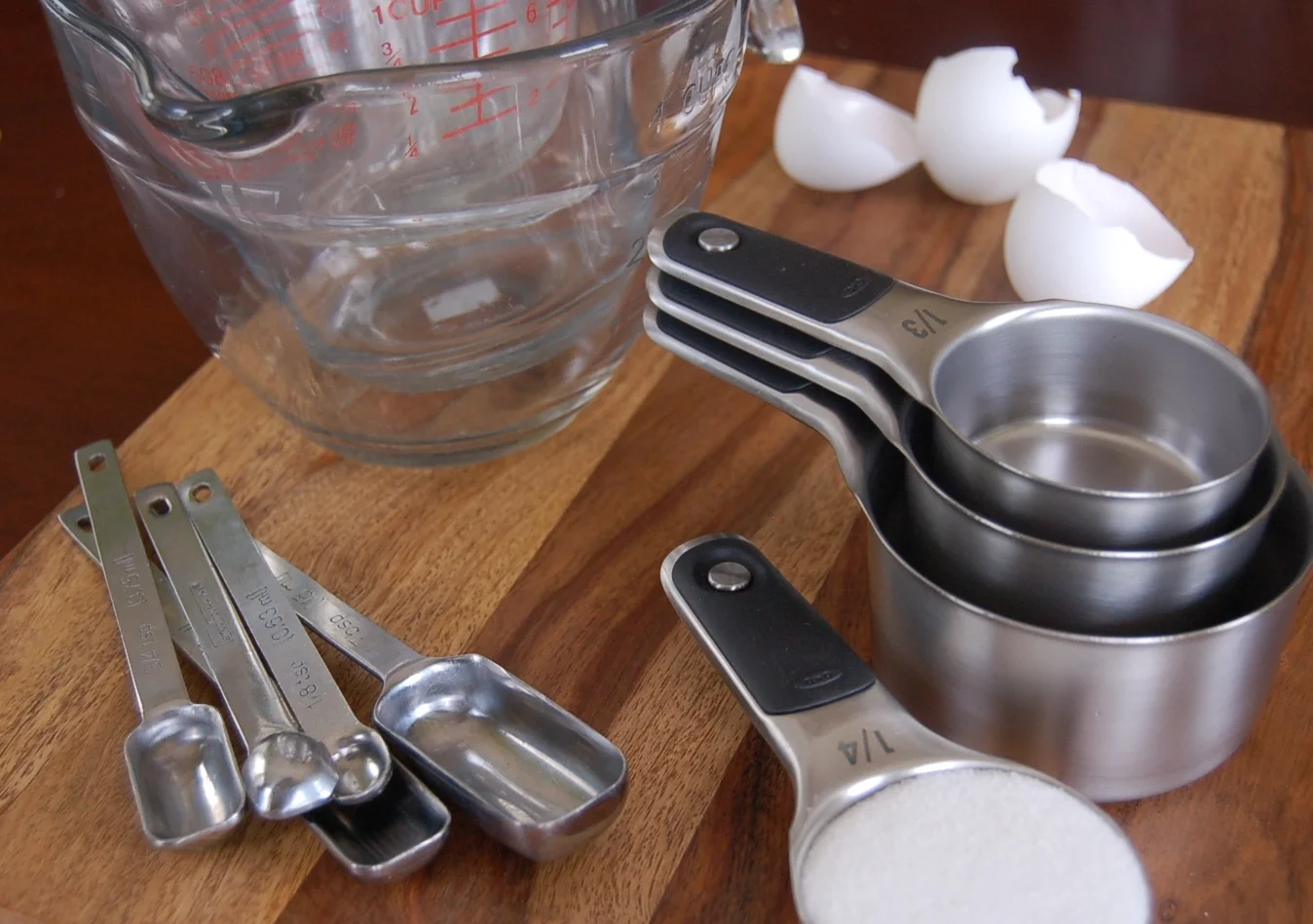
Use dry ingredient measuring cups for the following:

Solids

Solids are best measured in a dry cup and include flour, cocoa powder, powdered sugar (confectioner sugar), sugar, brown sugar, and extra ingredients (nuts, dried fruit, chips, etc.). Flour, cocoa powder, and powdered sugar are best spooned into the measuring cup and leveled off with the back of a knife, whereas sugar can be scooped out of a bag or container and then leveled off with a knife. Brown sugar, unless otherwise noted, is usually scooped and firmly packed in the dry measuring cup. Extra ingredients may be scooped into a dry measuring cup.

Semi-liquids include peanut butter, yogurt, applesauce, sour cream, mashed bananas, shortening, and butter (if not in stick form). For the ingredients that need to be packed down, like peanut butter, butter (not in stick form), and shortening, spoon the ingredients into a dry measuring cup, pack them down with a spatula, and level with the back of a knife or spatula. For the other semi-liquids (yogurt, applesauce, sour cream, mashed bananas, etc.), spoon into (like you do with flour) the dry measuring cups and level off with the straight edge of a knife or spatula.  

Liquid Sweeteners, while typically classified as a liquid, these sticky ingredients are best if measured in a dry measuring cup and sprayed with a bit of cooking oil before use.
Use liquid measuring cups for:

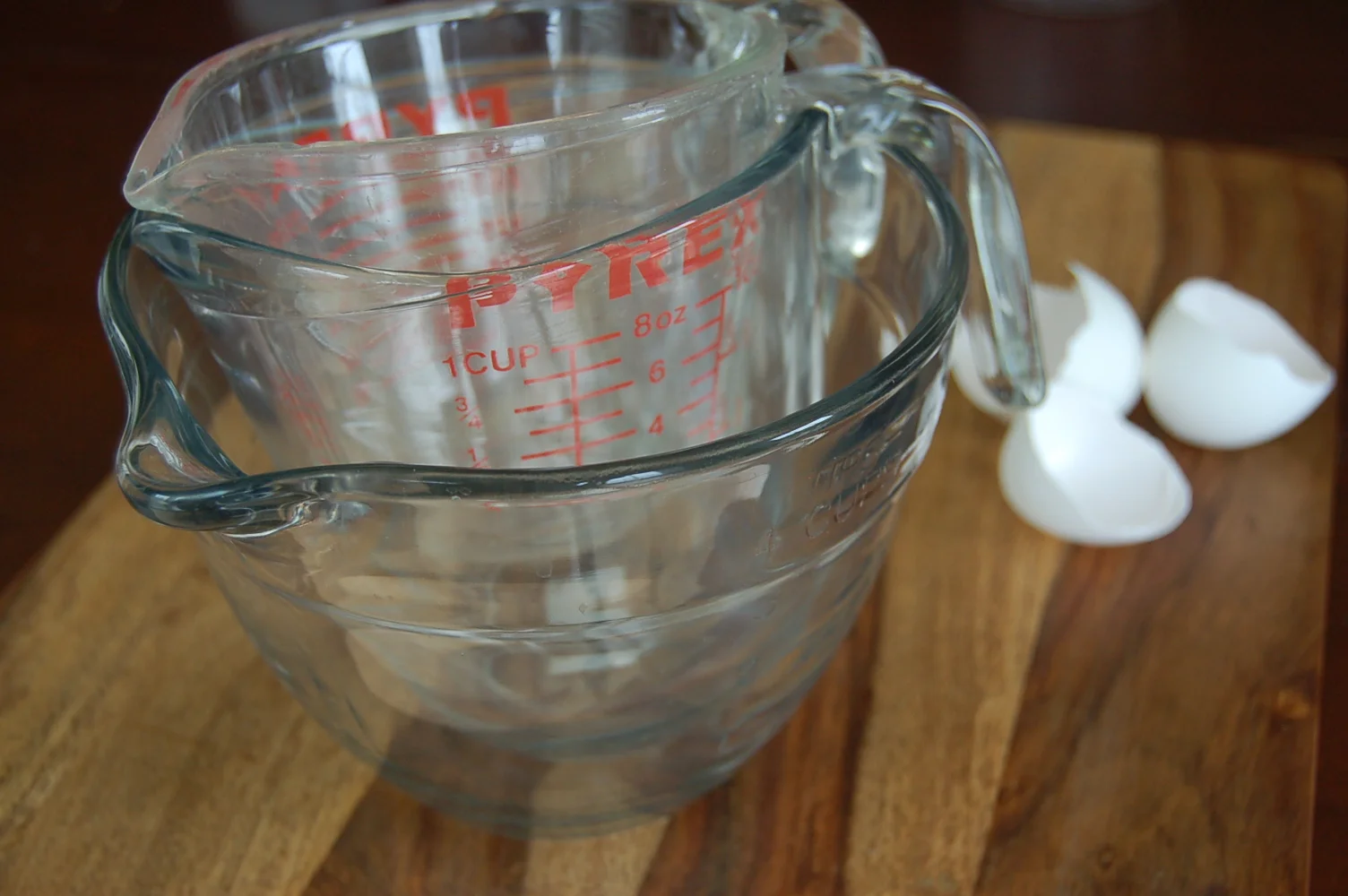
Liquids include milk, oil, water, and melted butter. Use a 1, 2, 4, or 8 liquid measuring cup with markings for lesser amounts on the side of the cup. Always make sure the liquid measuring cup is on a level surface, and always read the measurement at eye level.  
For wet (liquid) and dry (solid) ingredients:

For smaller amounts of dry, solid, or liquid ingredients, use measuring spoons (teaspoons, Tablespoons, or less) to measure.
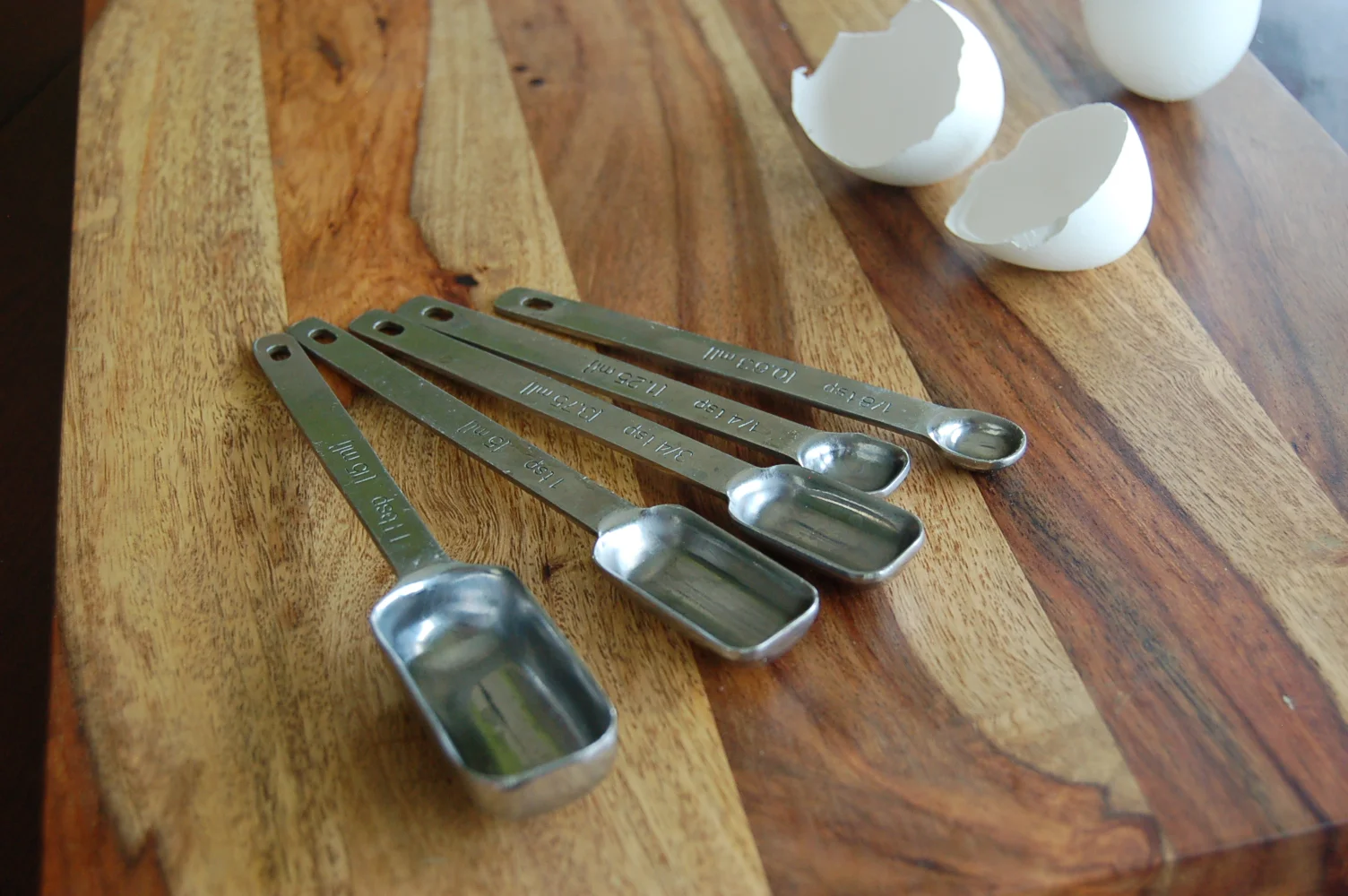
Helpful hints

To sift or not to sift?

If a recipe calls for “1 cup of flour, sifted,” — measure the flour, then sift it. If a recipe calls for “1 cup of sifted flour,” — sift the flour, then measure. It all depends on where the word “sifted” is in the ingredient wording. If “sifted” is before the ingredient name, sift before measuring. If “sifted” is after the ingredient name, sift after measuring.- Sally’s Baking Addiction. The same goes for confectioners’ sugar (powdered sugar).

Make your holiday baking stress free by following these simple measuring guidelines. Happy baking!
Yum

Cooking Tip: How to Test the Freshness of Baking Soda

cooking tipsSheri SpalloneComment

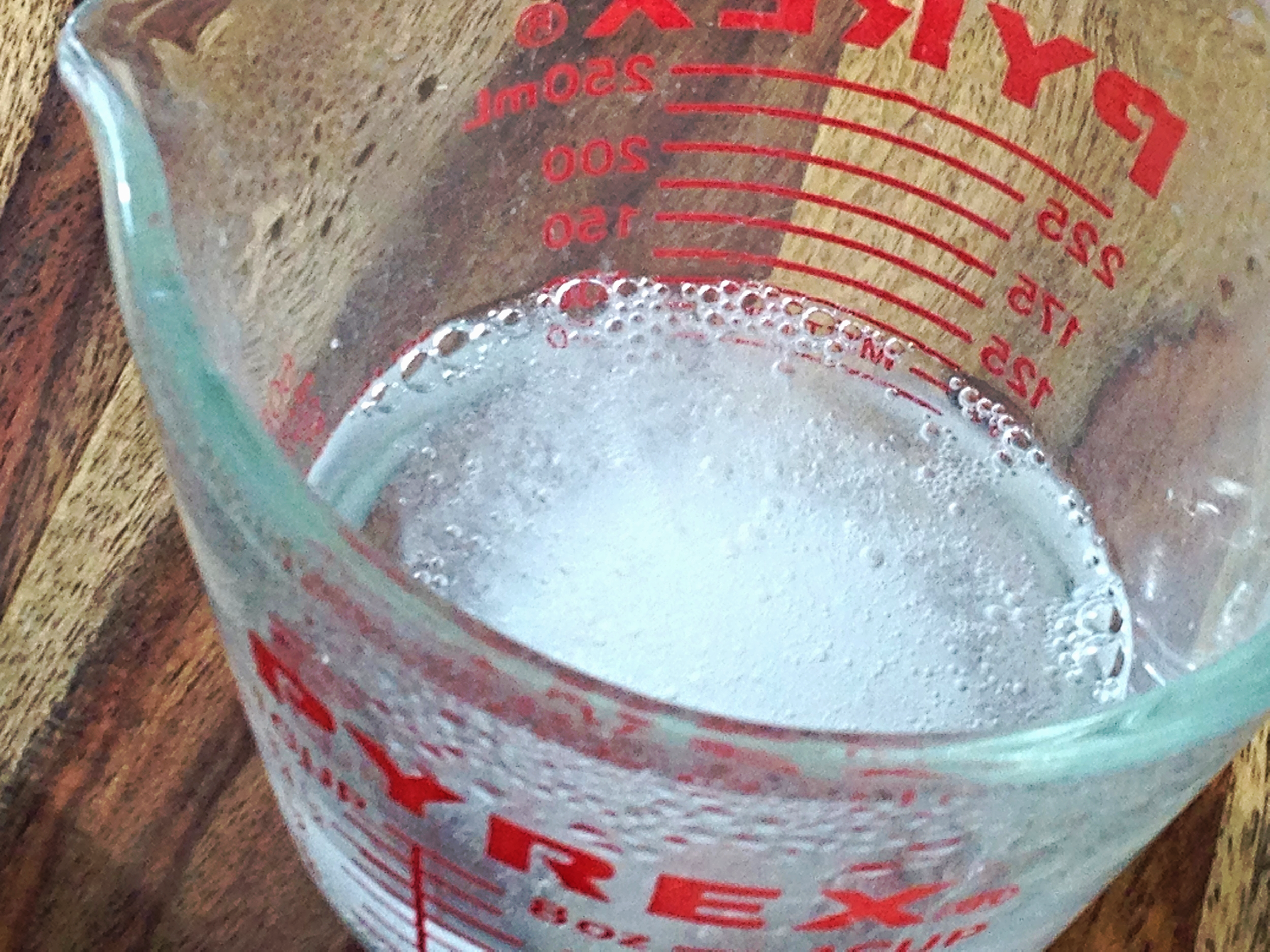
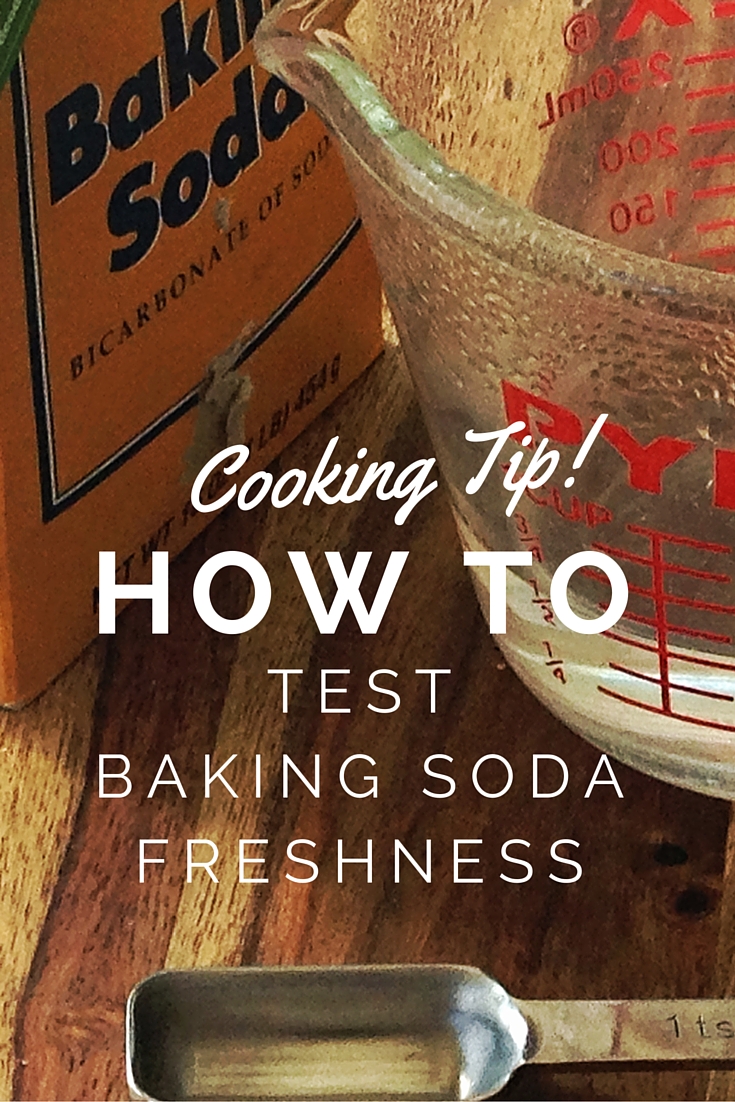
How do you test the freshness of baking soda you ask?  It's all in the bubbles!  That would be a bummer to bake something you spent some time and love on only to find out your baking soda was flat (I'm passing this onto you, because this happened to me...luckily only once.   The moral of the story...check your baking soda if you haven't used it in a while).  Find out below:)

"Test baking soda by adding a teaspoon-ful to a 1/2 cup hot water.  If it doesn't bubble, then it's time to throw it out". - Julia Child.  

Look at that...bubbles! I guess mine's good;) 

Yum

Cooking Tip: How To Make Compound Herbed Butter

cooking tipsSheri SpalloneComment
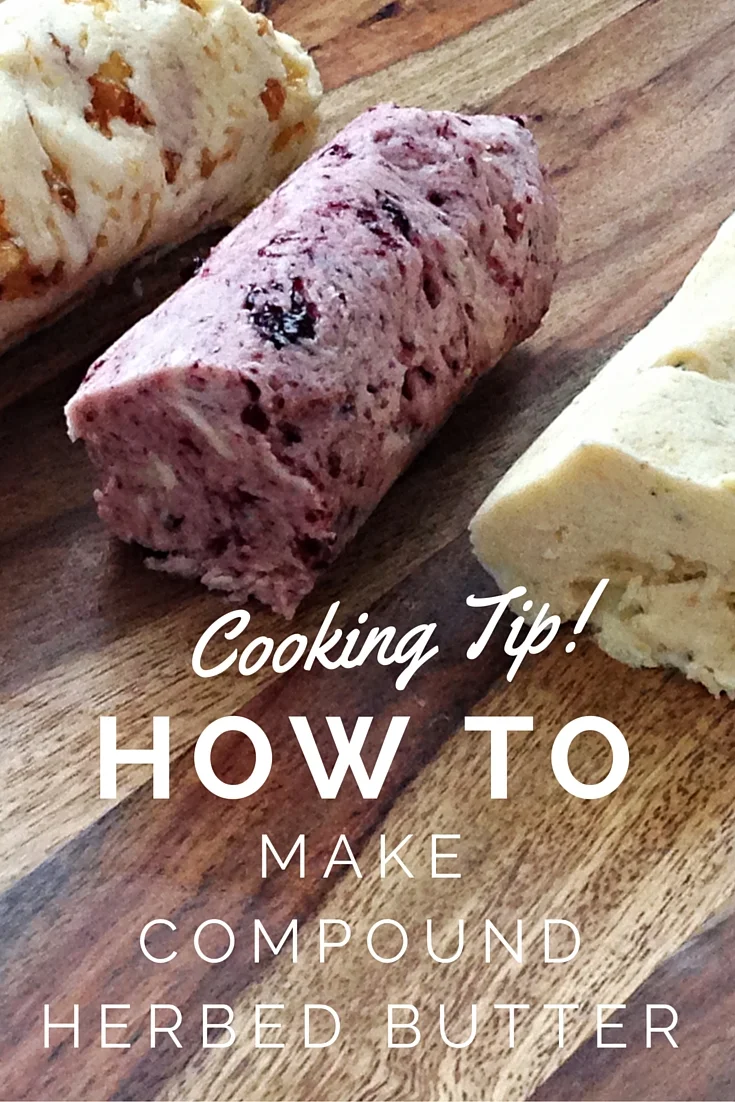
herbed butter.jpg

Cooking Tip- How to make Compound Butter

Updated 2025. If you've never made compound herbed butter, then you're missing out!  There’s nothing quite like the flavor boost a good compound butter can bring to your cooking. Whether melted over grilled steak, stirred into pasta, tossed with vegetables, or spread on warm bread, compound butter is a simple way to elevate everyday dishes into something special.

The best part? It’s incredibly easy to make, completely customizable, and a great way to use up fresh herbs or specialty ingredients in your kitchen.

What Is Compound Butter?

Compound butter is simply softened butter mixed with flavorful ingredients—fresh herbs, seasonings, aromatics, zests, cheeses, or even sweet additions. Once blended, the butter is shaped, chilled, and ready to use whenever you need a burst of flavor. Here are some of our favorite combinations. 20 Sweet & Savory Compound Butter Recipes.

How to Make Compound Herbed Butter

Ingredients

  • 1 stick (½ cup) unsalted butter, softened

  • Your choice of flavor add-ins (see ideas below)

Preparation

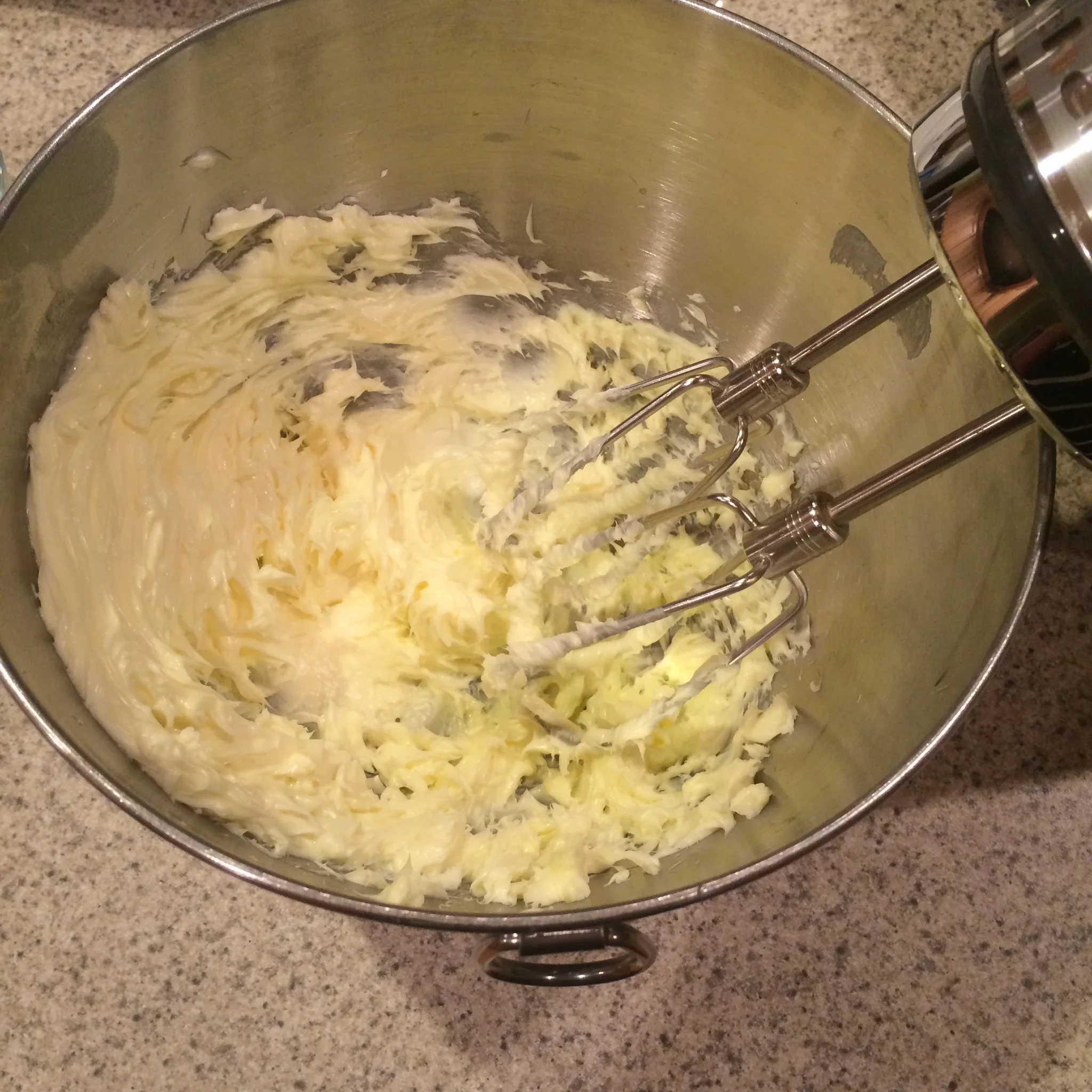
Soften the butter
Leave butter at room temperature for 20–30 minutes until easily spreadable.

Choose your flavor combination
Add finely chopped herbs, Cherchies® Seasoning Blends, citrus zest, roasted garlic, or other mix-ins.
Start with 1–2 tablespoons per stick of butter and adjust to taste. Here are some of our favorite combinations, 20 Sweet & Savory Compound Butter Recipes.

Mix until smooth
Combine the butter and ingredients in a small bowl and stir until evenly blended.

Shape the butter
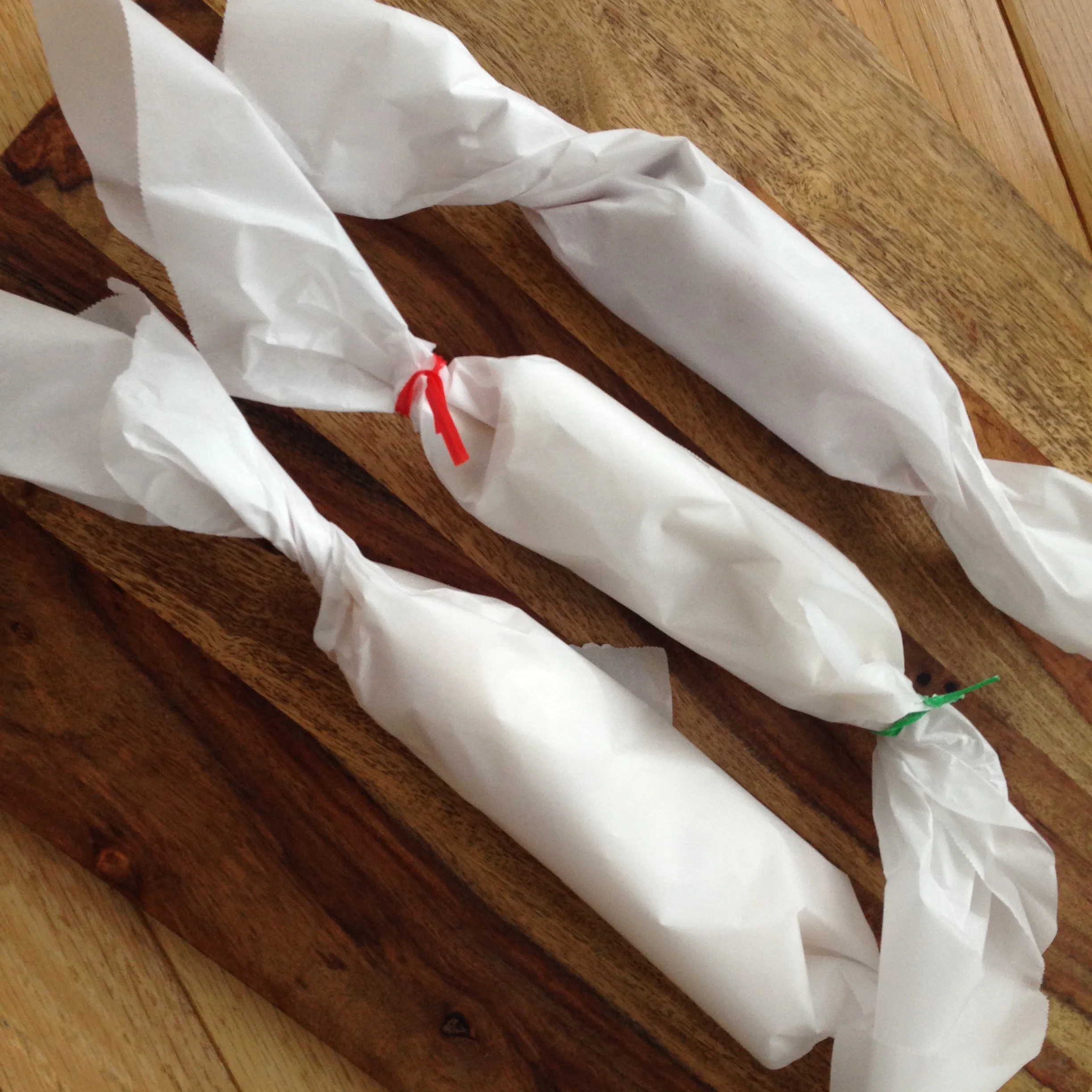
Spoon the mixture onto a piece of parchment paper and roll it into a log. Twist the ends to seal. Or, you can spoon the mixture into prepared molds or pretty jars. All these options would make perfect gifts.

Chill
Refrigerate for at least 1 hour (or freeze for longer storage).
Slice as needed.

Storage Tips

  • Refrigerate up to 1 week

  • Freeze up to 3 months

  • Slice only what you need to keep the rest fresh

How to Use Cherchies® Compound Butters

  • Melt over grilled steaks, chicken, or seafood

  • Toss with steamed or roasted vegetables

  • Spread on baguettes, rolls, or cornbread

  • Add to pasta, risotto, or rice

  • Dollop onto baked potatoes

  • Finish eggs, broccoli, green beans, or roasted squash

  • Use sweet butters for breakfast or baking

Thanks for stopping by:) Comment below if you have made compound butter with any Cherchies® products. Come back again for more family-tested recipes, entertaining ideas, and cooking tips using all our favorite Cherchies® gourmet products.

Follow us on social media: Facebook, Instagram, and Pinterest.

See below how it’s done.

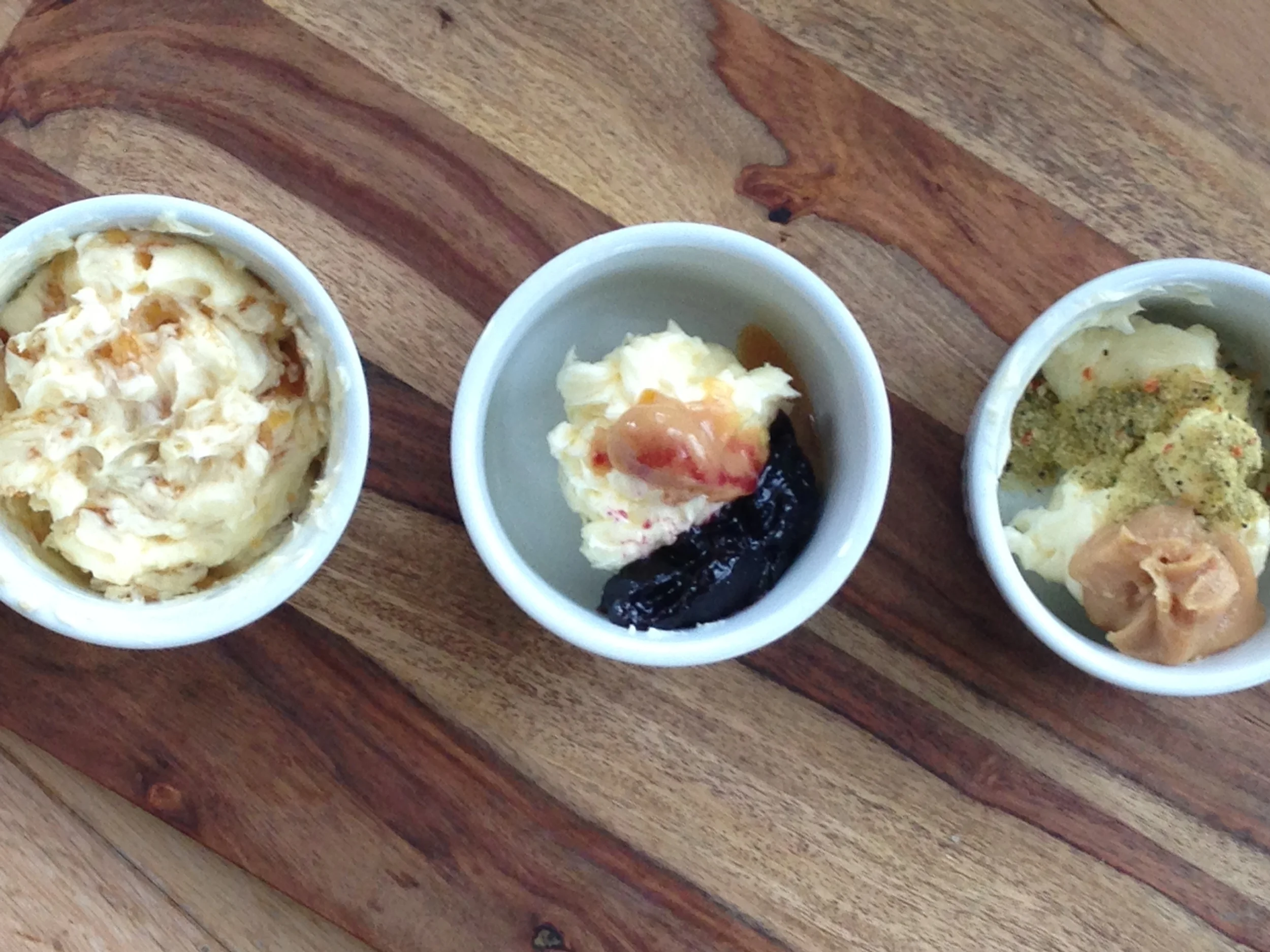
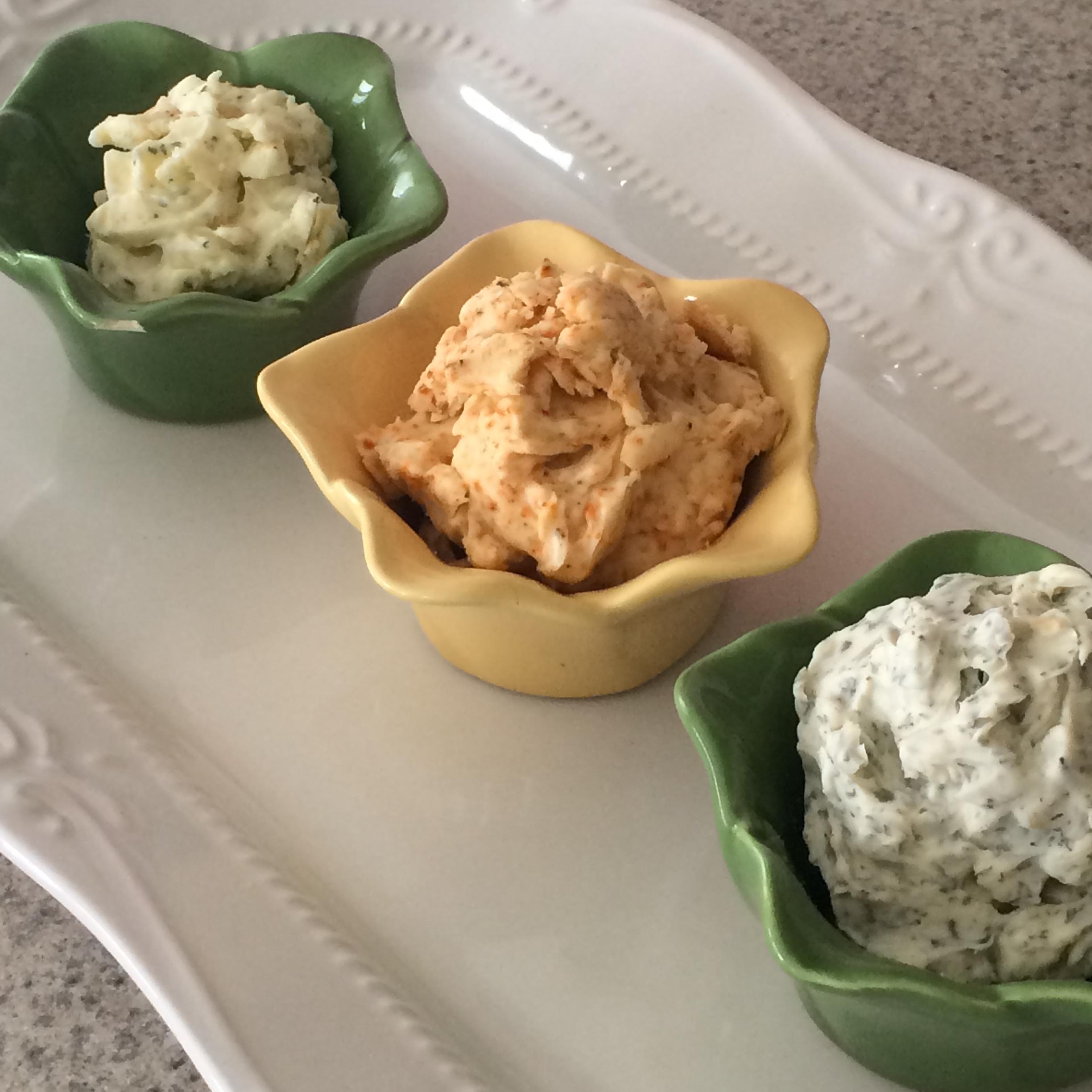
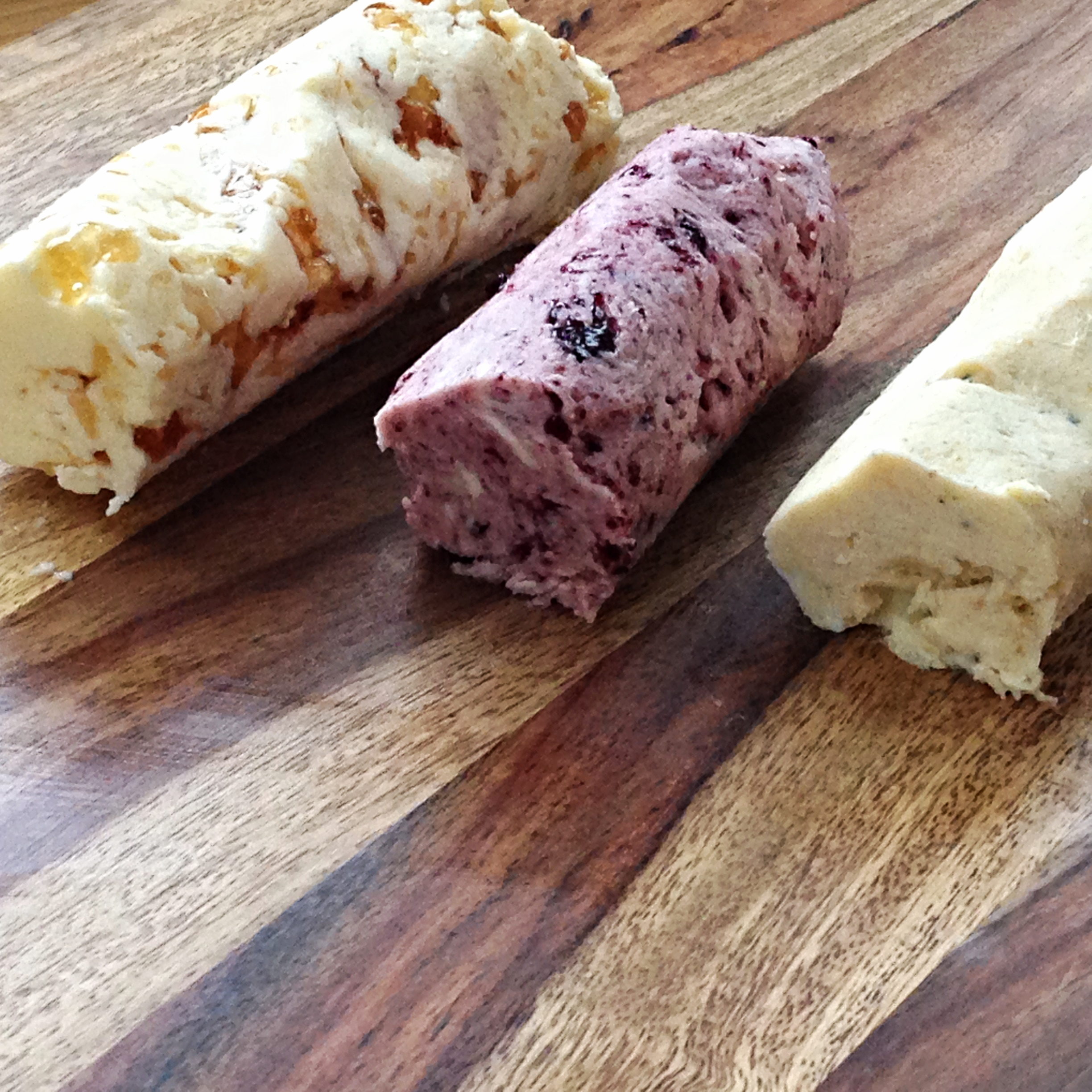
We usually divide the butter into small bowls and make a batch of different flavors.  This time, we combined butter with Fig Preserves With Cinnamon (left), then Champagne mustard and Blackberry Preserves (middle), and finally Champagne Mustard and Garlic 'n Herb Seasoning (right).

The last time we made herbed butter, we used our favorite seasoning blends.

Place butter on parchment paper or plastic wrap and roll into logs.  Or, you could place butter into pretty containers and give as lovely homemade gifts for your favorite cook.   Enjoy!

Cooking Tip: How To Make Lemon Raspberry, Blackberry Champagne, and Champagne Garlic Compound Butter

Cooking Tip: How To Make Lemon Raspberry, Blackberry Champagne, and Champagne Garlic Compound Butter

Yum

Cooking Tip: How to Chill Drinks Without Watering Them Down?

cooking tipsSheri SpalloneComment

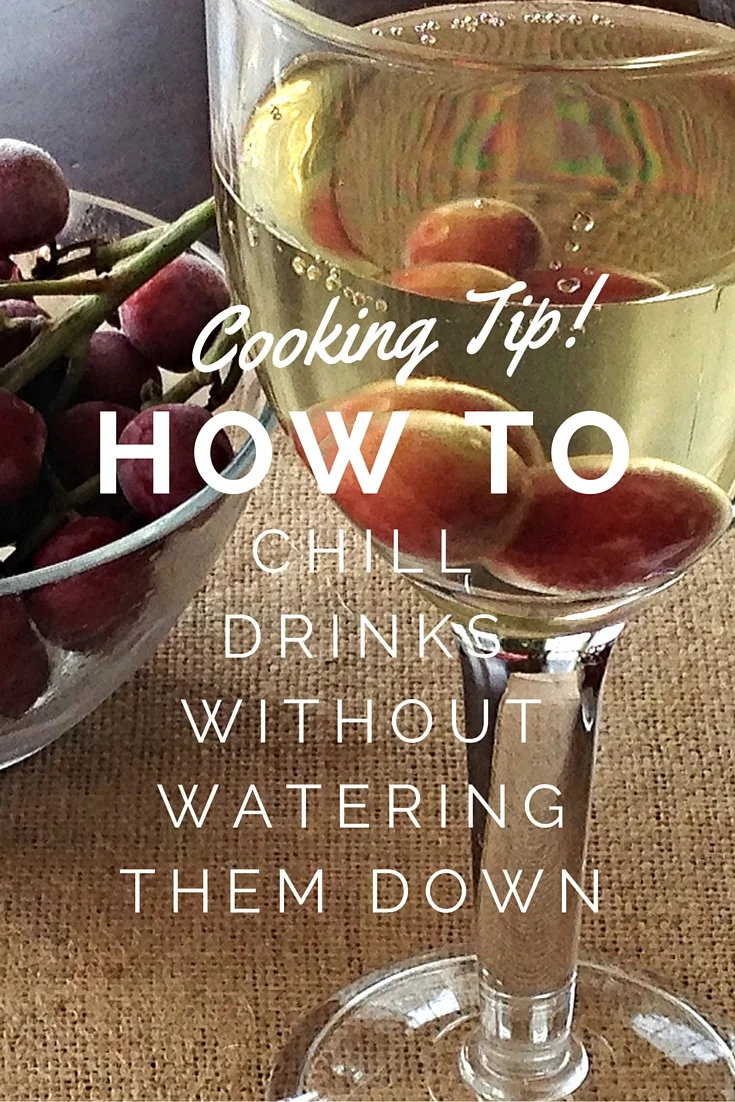
How do you chill your drinks without watering them down?  One "sweet" answer, frozen fruit!  I especially love frozen grapes or blueberries to chill my beverages.  But frozen grapes aren't just for chillin', they're also a fantastic snack!  Our family got hooked on frozen grapes a few years back while vacationing in California and It's been a favorite warm weather treat since.

Simply wash the fruit and place it in a bowl and plop it in the freezer.  In a few hours, you'll have lovely "fruity" ice.  You could use any frozen fruit and match it to your beverage of choice for the perfect drink. And a bonus, you get to eat the grapes!

Yum